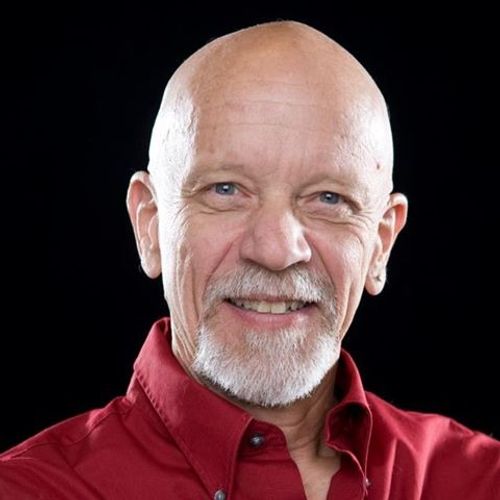
Episode 134
Building Hope: Container Homes for Those Who Served
Boxcar Universe commemorates Memorial Day by honoring the valiant warriors who sacrificed their lives for our freedom. In this poignant episode, we are privileged to converse with the esteemed Sgt. War Dawg, a retired U.S. Marine and infantry rifleman, who shares his profound experiences of service, sacrifice, and the ongoing mission to support America's veterans. The discourse delves into the pressing need for sustainable housing solutions, particularly through the innovative concept of container home communities designed specifically for veterans. By bridging personal narratives of battlefield valor with the aspiration of creating supportive living spaces, we illuminate the critical importance of addressing homelessness among those who have served our nation. This episode transcends mere conversation; it represents a movement toward tangible change and community support for our veterans. The Memorial Day edition of Boxcar Universe pays homage to the valiant warriors who sacrificed their lives for the freedoms that we cherish. This episode features an engaging and heartfelt dialogue with the esteemed Sgt. War Dawg, a retired U.S. Marine infantry rifleman, who shares poignant narratives from his time in combat. The discussion delves into themes of service, sacrifice, and the enduring bond of brotherhood among veterans. Furthermore, it addresses pressing issues faced by returning servicemen and women, particularly the struggle for reintegration into civilian life and the challenges associated with homelessness. The episode emphasizes the necessity for societal support and understanding of the invisible wounds many veterans carry, including PTSD, and the importance of initiatives aimed at providing sustainable housing solutions for those who have served our nation. Through the lens of personal experience, the episode underscores that the mission to assist veterans is not merely a podcast topic but a vital movement that requires collective action.
Takeaways:
- This Memorial Day episode of Boxcar Universe pays tribute to the sacrifices made by veterans.
- Sgt. War Dawg shares his profound experiences in the military and the ongoing challenges veterans face.
- The discussion emphasizes the urgent need to provide housing solutions for homeless veterans in America.
- The podcast highlights the innovative concept of container home communities for veterans seeking stable living environments.
- Listeners are encouraged to support initiatives that aid veterans reintegrating into society after their service.
- The conversation stresses the importance of community support and the collective responsibility to assist veterans.
Links referenced in this episode:
- idealhomeimimprovementaz.com
- stardustbuilding.org
- sgtantwardawgtv.com
- campdoghouse.org
- mrelectric.com/phoenix-metro
Companies mentioned in this episode:
- Boxcar Universe
- Ideal Home Improvement
- Legacy Custom Homes AZ
- Stardust Building Supplies
- Lockheed Martin
- U.S. Marshals
- Marine Corps
- Time Magazine
- National Geographic
- Camp Doghouse
- Mr. Electric of Phoenix-Metro
Transcript
This Memorial Day, Boxcar Universe honors the warriors who sacrificed everything for our freedom.
Speaker A:This week's guest is legendary Sergeant War Dog.
Speaker A:For a powerful conversation about service, sacrifice, brotherhood, and the mission to support America's veterans.
Speaker A:From the battlefield stories to building hopes through container home communities for veterans, this is more than a podcast.
Speaker A:It's a movement.
Speaker B:Since the dawn of time, mankind has searched for ways to shelter themselves from the elements.
Speaker B:Over the centuries, these shelters have evolved from bamboo huts to concrete towers.
Speaker B:The last few years, there's been a push to save the planet.
Speaker B:Are you ready to embark on a more sustainable lifestyle?
Speaker A:Look no further.
Speaker B:You're about to enter the adventures of container home living.
Speaker B:And now, contractor, radio and TV personality and your host for Boxcar Universe, Steve Dubel.
Speaker A:Hi, this is Steve Dubel, host of Boxcar Universe.
Speaker A:And this is what's coming up on this special edition of Boxcar Universe honoring Memorial Day.
Speaker A:With us today is Sergeant War Dog.
Speaker A:He is a U.S. marine, retired infantry rifleman who is going to be sharing some stories about his experience in the service.
Speaker A:We're also going to be talking a little bit about the mission, about a container home community for veterans, which all our listeners know is one of the things that are near and dear to my heart.
Speaker A:So I want everybody to hang tight.
Speaker A:We have a great special edition of Boxcar Universe.
Speaker A:Remember, Boxcar Universe is your home for sustainable lifestyle living.
Speaker A:And welcome to all our listeners for the special Memorial Day edition of Boxcar Universe.
Speaker A:You know, we talk about Memorial Day as one of the days we have throughout the year where we honor our brave men and women who gave their lives defending our country.
Speaker A:We also talk about our veterans who are still fighting battles here at home.
Speaker A:You know, one of the things that is near and dear to me, and it's heartbreaking when you see someone alongside of the road and if, you know, I like to believe that if somebody would say that they are a veteran and you see them see that written on a sign on the side of the road and, and they say, please help.
Speaker A:I mean, I'm sure all Americans agree with me that no veteran should be homeless.
Speaker A:No veteran after sacrificing themselves for our country, for our freedoms, which we all, you know, a lot of times we take them for granted.
Speaker A:But there are special men out there, like the sergeant who actually goes out and does what he needs to do because he believes in our country and what it stands for.
Speaker A:But also a lot of veterans, when they come back, they are hurting.
Speaker A:They have to be integrated back into society.
Speaker A:A lot of them having A rough time at it.
Speaker A:And, you know, I think a lot of times our country doesn't do enough to take care of them, especially when they come back because of what they're going through.
Speaker A:I mean, I know many, many veterans who are suffering from ptsd.
Speaker A:My good friend and co host from the past, Dan Hayden, from DEC inspections, he's a veteran and he tells me war stories, that stuff that he's got gone through and that he is.
Speaker A:I mean, he's in his 70s now and he's still, he still hears noises and different things that spring up in his life that spark memories of times when he was overseas.
Speaker A:And these are things that, you know, that they just don't go away just because you came back and your tour is over, you know.
Speaker A:So without further ado, I'd like to introduce my special guest today, Sergeant War Dog.
Speaker A:Sergeant, how are you today?
Speaker A:And thanks so much for being on Boxcar Universe this very, very special weekend.
Speaker C:Doing well, bro.
Speaker C:I'm very honored to be on your show.
Speaker C:I've seen your work and you don't know how much you impress me, bro.
Speaker A:Well, I appreciate those kind words.
Speaker A:And it's like, you know, we try and do things to the best of our ability, you know, you know, God gave me, I guess, like my mother used to say, gave me the gift to gab.
Speaker A:And we like talking about what we do, but I always wanted to give back, you know, after I started my home improvement business years ago as a handyman service, about six years into it, I wanted to give back to the community because.
Speaker A:And the people that helped me get to where I was at at the time.
Speaker A:And a lot of times homeowners just, you know, I always have a saying that homeowners are dangerous with tools because it's true.
Speaker A:I mean, you know, how many times have you seen something that somebody says, well, I'm going to go do this, and.
Speaker A:And then they screw it up.
Speaker A:And then it turned around.
Speaker A:They have to.
Speaker A:Then they call somebody like me to come and fix what they tried to fix, you know?
Speaker A:Yeah, I mean, I had a client, once you get, you'll get a kick out of this.
Speaker A:Is his client.
Speaker A:Many years ago, husband and wife, she was in one of my network groups.
Speaker A:And every time the husband decided that he's.
Speaker A:He told, he says, I got to go in the garage and I've got to go fix this.
Speaker A:And then she turned around and hand him the phone and he's like, why did you hand me the phone?
Speaker A:I don't need a phone.
Speaker A:I mean, I Might use a hammer, but I don't need a phone.
Speaker A:She said, yes, you need a phone.
Speaker A:You have to call Steve.
Speaker A:So it's like, you know, that's the kind of reputation I always try and do, is you got to do right by people, you know, I mean, it's so important.
Speaker A:And I think coming back, you know, from, from what you and I have chatted about and, you know, and there's so much more I want to learn about your history and, and your journey, because I think it is.
Speaker A:Will spark and, and motivate people like yourself when they come back from overseas that just don't accept life the way it is now.
Speaker A:I mean, I, I'm a firm believer that you have to make life what you make it.
Speaker A:You know, you can't just let life overtake you.
Speaker A:You know, I know people that are a lot younger than me, they turn around and just because they think they're getting older, that, oh, well, you know, that's what life dealt me.
Speaker A:Well, no, God has a lot of things in store for you.
Speaker A:If you have a motivation to do certain things in your life, then you owe it to yourself and to your friends and family to be able to go out and do those things.
Speaker A:But right on, right on.
Speaker A:Tell our listeners a little bit about your journey and how you got started and some of the things that, that you've done, and it's just amazing.
Speaker A:I want all our listeners to understand what, what you've started and what you're going through and how they could, you know, during the course of the program, how they can be motivated and help as well.
Speaker A:So take it away.
Speaker C:Sure, bro.
Speaker C:I'm from Orlando, Florida.
Speaker C:I, for some reason, have always had an amazing interest in manhunters, whether that was the U.S. marshals, bounty hunters, the FBI.
Speaker C:I. I'm totally enamored by those, those people who actually go out and find, you know, what we call bad guys.
Speaker C:Right.
Speaker C:So I made a conscious decision as a teenager that I wanted to keep my background as, you know, clear and as clean as possible so that I could become the highest level operator that, you know, life or God would allow me to become.
Speaker C:So while researching all of the federal law enforcement agencies, I locked on the skills that were provided by the U. S. Marshals.
Speaker C:Right.
Speaker C:And then most of those marshals, though most of them came from the marines.
Speaker A:Okay.
Speaker C:And then within the Marine corps, though, most of them were coming from military police backgrounds.
Speaker C:All right, for me, I wanted to.
Speaker C:I'm from Orlando, you know, Mickey Mouse town.
Speaker C:I wanted to step outside of the realm of just, you know, urban life, city life.
Speaker C:I wanted to be the best operator possible where I could survive the.
Speaker C:In all environments.
Speaker C:So for me, I fell in love with the Marine Corps Infantry.
Speaker C:All right?
Speaker C:So at the age of 18, I actually had five full academic scholarships.
Speaker C:But I couldn't help the fact that every time I looked at the Marines, I just kind of knew and felt that I could prove myself to be there with them and among them.
Speaker C:Right.
Speaker C:So I graduated high school with a 4.0 with an honors diploma.
Speaker A:Good for you.
Speaker C:Later, a week later, I was headed towards Marine Corps boot camp to become a Marine, right?
Speaker C:So I went through the boot camp process, then I went through the Marine Corps School of Infantry, became a.
Speaker C:An official O311 Marine rifleman.
Speaker C: d this was around November of: Speaker C:So, you know, this is post 9 11.
Speaker C:Everyone knew what they were getting into after 911 and whatnot.
Speaker C:My entire infantry class, though, because they were building up towards, you know, Iraq and they were going through the UN inspectors and all my entire infantry class was sent not to be stationed in North Carolina, where I would have been being from Orlando, but we were all sent out west to California to the 1st Marine Division because, you know, they were building up and preparing for the Iraq war and whatnot, right?
Speaker C: lo and behold, In January of: Speaker C:So fast forward through things.
Speaker C: very next month, February of: Speaker C:Month after that, we go into Iraq.
Speaker C:So my unit actually ended up being the first Marine infantry unit to head all the way into Baghdad though, Right.
Speaker C:We didn't know it at the time that that would be our assignment.
Speaker C:You know, we were sent wherever we were sent, but we ended up being the unit that was sent all the way to Baghdad.
Speaker C:And we were the ones that pulled down Saddam statue in Baghdad in front of CNN and the rest of the world.
Speaker A:That was, that was, that was a great moment when that happened.
Speaker A:And you.
Speaker A:And to you be.
Speaker A:When you first told me that, to be part of that and to experience that, that must just have been, oh my God.
Speaker A:It's like one of those aha moments that you'll never forget, right?
Speaker C:Tell me about it.
Speaker C:Yeah, tell me about it.
Speaker C:I mean, every single part of it was surreal and every single part of it was constantly proving that as a Marine, you can do what's required of you, you know, that you can, you know, physically handle everything that they're asking you to do, that you can, you know, mentally learn every bit of intelligence and new equipment and new, you know, whether it's learning a little bit of Arabic here or there.
Speaker C:It was a constant, you know, proven environment.
Speaker C:So, yeah, lo and behold, we end up going, you know, fighting our way through.
Speaker C:And this is like, you know, going through house by house, room by room, closet by closet, bathroom by bathroom, not knowing who's on the other side, not knowing who might take me out or take out my fellow guys.
Speaker C:This is just Jake, you know, this is what infantry warfare is all about.
Speaker C:This is not special ops.
Speaker C:This is daytime.
Speaker C:They can see us.
Speaker C:They know we're coming.
Speaker A:Yeah.
Speaker C:I mean, they'll come anyway.
Speaker A:I can imagine.
Speaker A:Because, you know, you remember seeing on the news some of the.
Speaker A:The.
Speaker A:The news reporters that were embedded in, in Iraq and all the time, it's just like, I can imagine what you felt because you just, you just didn't know if they were doing those roadside bombs and everything and they were setting up stuff.
Speaker A:You would never know, like you say, who was behind the door because they could hide anywhere.
Speaker A:They could hide in the floor.
Speaker C:Right?
Speaker C:Right.
Speaker A:Yeah.
Speaker C:And that's.
Speaker C:See, that's one of the biggest things that I had to learn, the difference between, say, what.
Speaker C:What a SWAT team does in the United States.
Speaker C:Right.
Speaker C:Versus what an infantry team would do in.
Speaker C:During a war.
Speaker C:Because a SWAT team might hit, you know, one or two houses and then they're out after they get whoever they're looking for.
Speaker A:Right.
Speaker C:When you're in a war, everything is continuous, you know, and I'll like, for instance, I hear a lot of guys that go to prison and whatnot, they complain about, you know, hey, their release dates or family visitations.
Speaker C:When you go to war, you do not know when you're going to come back.
Speaker A:You.
Speaker C:And obviously, there's no family visitation.
Speaker A:Right?
Speaker C:Right.
Speaker C:So every single thing, moment day is earned.
Speaker C:Right.
Speaker C:And I want to tell you, when you mentioned the media, okay, craziest part of that is that Time magazine and National Geographic were actually attached to my unit, attached to my platoon, if you can believe that.
Speaker C:I could look over to the vehicle behind me and see their photojournalist and see their reporter.
Speaker C:I could see him on his sat phone reporting what was happening to us.
Speaker C:So, you know, I had that unique dynamic of going through the war, but also knowing that these guys could film me being taken out.
Speaker C:You know what I mean?
Speaker A:Well, you know, the other Thing too is like, you know, with all that's going on, it just, you just don't know.
Speaker A:I mean, they may be reporting it.
Speaker A:I just hope and pray that they were reporting it accurately.
Speaker C:Right.
Speaker A:You know, and that's, you know, because a lot of times, you know, the way people talk, even back then and even earlier, you know, where the photojournalist, you know, might try and put a spin on it a little bit, and it may not be as accurate as, like, for instance, someone like yourself or, or me would see it, you know, so.
Speaker A:And I don't know if that's.
Speaker A:Well, I want to.
Speaker A:Sometimes journalists, they like to put.
Speaker A:They put spin on stuff because they want to dramatize it more, you know, to make it more newsworthy.
Speaker A:But, you know, you like, just tell it like it is.
Speaker A:That's all you need to do.
Speaker A:I mean, people, you know, we're all big boys and girls in this country.
Speaker A:We can take whatever, whatever we see, you know, but it's just amazing that, you know, what you go through and people that just have never been involved or see it, you know, I mean.
Speaker A:Well, let me ask you a question because you've been, you know, you did three tours in Iraq.
Speaker A:Okay.
Speaker A:How important was the support that you knew that your country had for you?
Speaker C:Oh, it was phenomenal, bro.
Speaker C:I love the fact that I knew the country was behind us.
Speaker C:I love the fact that I knew the Marine Corps was behind it.
Speaker C:Oh, I'm sorry.
Speaker C:You know what?
Speaker C:Actually, you're actually going to make this twofold for me.
Speaker C:Okay.
Speaker A:Okay.
Speaker C:At the time, as an 18 and 19 year old, obviously what I knew was a lot of what the Marines were, you know, telling me or allowing me to know.
Speaker C:Okay?
Speaker C:So I have to admit, even when I was 19, okay, I asked back then, you know, we knew that the U. N. Inspections were going on, that sort of thing, but I didn't clearly understand what gave us the right to go in, to come all the way over there and to go in, to, you know, to be able to go and whatnot.
Speaker C:So I did.
Speaker C:It wasn't until after my time in the Marines that I actually gained the knowledge of knowing that, hey, actually, man, the UN Voted against us going in.
Speaker C:And so that actually, you know, bothered me.
Speaker C:In my head, I went through a little bit of moral injury in terms of, like, I don't know, I had to wrap my head around the fact that, wow, we might not have been able, you know, supposed to have gone in and that sort of thing.
Speaker C:And that kind of bothered me because Then it was like, well, damn, did that mean these guys were allowed to fire at me and my buddies?
Speaker A:Yeah, that'll screw with your psyche.
Speaker A:Oh, my God.
Speaker C:Yeah, right?
Speaker C:So I'll admit at the time I was full on Marine Corps, ready to go infantry.
Speaker C:Right.
Speaker C:I did not understand all of the ramifications behind though, like I said, what was going on with the UN or how society felt back home.
Speaker C:Okay.
Speaker C:And then I have to admit, me being an infantry guy, we were all gung ho, you know, we want to prove ourselves.
Speaker C:You know, this might have been our version of, you know, war, obviously.
Speaker C:So we were kind of mixed as far as understanding what both sides of the political aisle were feeling, you know, in terms of who wanted to go, who didn't want to go, who, you know, we, we obviously we wanted to, you know, do our jobs.
Speaker C:And I look at it as like being dogs on a leash.
Speaker C:All right?
Speaker C:It's like the Marines tell us where to go or who to hit.
Speaker C:That's pretty much, you know, what's going to happen.
Speaker A:Right.
Speaker C:You know what I mean?
Speaker C:Or, or whatnot.
Speaker C:So as I was.
Speaker C:So I mentioned a lot of things that I didn't learn and go through until, you know, hindsight after.
Speaker C:But during, I, you know, I don't know, I felt that, you know, everyone was with us, behind us and there was just tremendous support.
Speaker C:Yeah.
Speaker C:So I'll fast forward through.
Speaker C:We, we ended up being the unit to pull down Saddam statue.
Speaker C:Like I said, media wise.
Speaker C:I actually ended up in a book after my very first tour in Iraq.
Speaker C:All right.
Speaker C:It's still sold today on Amazon.
Speaker C:It's called the War in Iraq.
Speaker C:A Photo History.
Speaker C:Okay.
Speaker C:I mentioned that Time magazine and National Geographic were following us.
Speaker C:They were embedded with us.
Speaker C:There's a famous Marine Corps picture of us crossing a bridge, entering Baghdad.
Speaker C:Okay.
Speaker C:That picture shown around the world.
Speaker C:Okay.
Speaker C:But it's a, you know, it's a two sided, you know, double fold of the book.
Speaker C:They never show my side of the book because there is a deceased individual land beside me.
Speaker C:Right.
Speaker C:So if you can imagine that, Right.
Speaker C:I didn't know for anything in my life.
Speaker C:I, we, I got back to California after that first tour.
Speaker C:I walked out of the bathroom one day and someone's like, hey, you're in a book.
Speaker C:I look in the book, I, I see me, I see that individual.
Speaker C:And now this is not an innocent individual, okay?
Speaker C:He actually had, he was wearing a jacket, a shirt, and then underneath that he had a package wrapped around his chest to hold a bomb to detonate.
Speaker C:All of us.
Speaker A:Oh, geez.
Speaker C:Okay.
Speaker C:But still, psychologically, I was pictured in a book with a guy who, you know, for most intents and purposes, he looked unarmed.
Speaker C:So for years that bothered me.
Speaker C:And remember, this is after 9, 11, so my face is plastered out there, you know, in front of bin Laden or anyone else who didn't like the US at the time.
Speaker C:That made a major security concern for me, obviously.
Speaker A:Sure, right.
Speaker C:To have my face just wide open like that.
Speaker C:So just to fast forward, though we went that first tour, didn't know we were going to be sent back a second time.
Speaker C:We went over to Japan.
Speaker C:We were going through different, you know, training there and, you know, thinking that I thought that the pressure of every second of being, you know, harmed as an infantry guy, I thought I would never have to feel that pressure again.
Speaker C:You know what I mean?
Speaker C:That constant, you know, having the reaper on my back every second of every day.
Speaker C: and everything jumped off in: Speaker C:So once Fallujah happened, I was a part of that first assault with the 3rd Battalion, 4th Marines, known as Dark side.
Speaker C:To go into Fallujah as well, and then, you know, you know, went through things there, lost buddies.
Speaker C:The very next year, I get sent right back to Fallujah again, if you can imagine.
Speaker A:Oh, my God.
Speaker C: as a Marine: Speaker C:I was carrying the M249 squad automatic weapon assault.
Speaker C:It's a fully automatic machine gun.
Speaker C:I end up turning 19, 20 and 21 in the war in Iraq.
Speaker C:If you can imagine what any of that was like.
Speaker A:Oh, my God.
Speaker A:It had to be inexperience.
Speaker C:Yeah, yeah.
Speaker A:It was just unbelievable.
Speaker A:All right, we're going to take a short break.
Speaker A:When we come back, we're going to talk more with the sergeant.
Speaker A:I want to talk a little bit about, okay, coming home.
Speaker A:And one of the things that I near, indeed near and dear to me is, all right, the trouble that I see with veterans coming home and talking about housing and some of the things that you've experienced and also going to talk about solutions.
Speaker A:And obviously that's going to be part of our discussion here and the following segment, talking about Container Home Village and for that and what I like to call veterans Village.
Speaker A:So I want everybody to hang tight.
Speaker A:You're listening to Boxcar Universe.
Speaker A:Looking to transform your space with over 30 years of construction experience and featured on radio and TV, Ideal Home Improvement and Legacy Custom Homes AZ does it all from repairs, remodeling and restorations to new builds, container homes and container pools.
Speaker A:Plus cutting edge solar systems to to help homeowners save money on their utility bills.
Speaker A:Hi, I'm Steve Dubell.
Speaker A:Let us help you design and build your dream home with the expertise that comes from decades of experience in the business.
Speaker A: -: Speaker A:Remember Ideal home improvement and legacy custom homes az where your dream home becomes reality.
Speaker A:Don't wait.
Speaker A:Call today.
Speaker B:Stardust Building Supplies is your home improvement thrift store.
Speaker B:Find salvaged and gently used cabinetry, doors, windows, appliances, lighting, plumbing and much more.
Speaker B:Save money, be green and support the community.
Speaker B:Shop and donate at Star Building Supplies Valley location locations.
Speaker B:For more info, visit stardustbuilding.org.
Speaker A:All right, we are back and you are listening to to the special Memorial Day edition of Boxcar Universe.
Speaker A:And with us today is our very special guest, Sergeant War Dog.
Speaker A:And we wanted to be able to get back into our discussion a little bit about some of his experiences and as well as talking a little bit about, you know, housing for veterans.
Speaker A:So, Sergeant, let's get back in to talk a little bit about your experiences and some of those things that you went through when you came back.
Speaker C:So after my third tour in Iraq, I decided that I knew most Marines know if you want to enter any form of federal law enforcement, you need to be able to combine your military experience with a college degree and that will give you your options on which, you know, Alphabet agency you choose to join.
Speaker C:Okay.
Speaker C:So I made the decision that, hey, okay, I'm ready to go to college.
Speaker C:I was ready to, you know, finish my active duty time with the Marines.
Speaker C:I enrolled at the University of Central Florida down in Orlando.
Speaker C:I still had an active security clearance, so I was able to work for Lockheed Martin, the defense contractor, while also attending UCF full time.
Speaker C:Okay.
Speaker C:And I majored in international relations because I really wanted to know it.
Speaker C:Hey, I've been the front door guy who kicked indoors.
Speaker C:Now I also wanted to understand, you know, foreign policy, diplomacy, international relations.
Speaker C:What I did not know was that my mind would turn against me.
Speaker C:Okay.
Speaker C:I never had problems after the war as far as substance abuse, alcoholism.
Speaker C:My problem came the day during my senior year in college when all the memories that I forgot about all seemed to flood me at the exact same time.
Speaker C:I mean, this was so bad that even some of my best friends that passed away during the war, I don't know if I was so cold hearted or I had.
Speaker C:I know I did have a lot of anger and hatred within me, but I could not cry until about two to three years later when I was in college.
Speaker C:And that's what broke me down.
Speaker C:But one day I finally cried about, you know, losing one buddy, and then I cried about losing them all.
Speaker C:And then, you know, I just got flooded with so many memories and started to experience depression for the very first time.
Speaker C:So my entire problem was not substance or anything.
Speaker C:It was not.
Speaker C:It was knowing I did not belong here.
Speaker C:It was knowing that or feeling like I wish I would have just passed away in the war when nothing bad could be said about me because then I would have just passed away with honor.
Speaker C:That's what I had in my head at least.
Speaker C:But I ended up suffering horribly with suicide prevention because I didn't feel worthy of breathing.
Speaker C:And then I went through periods of depression and being catatonic where I just couldn't move.
Speaker C:I was so sad.
Speaker C:I couldn't take a bath, I couldn't get off the couch, go to work.
Speaker C:I don't know what happened to me.
Speaker C:I was fine.
Speaker C:I was functional.
Speaker C:I left the war two to three years.
Speaker C:I was fine.
Speaker C:Found employment, housing, fine to one day.
Speaker C:All of my memories flooded me the exact same time.
Speaker C:From there, I ended up being hospitalized five times for begging the police or the VA to please put me out of my misery.
Speaker C:Don't belong here.
Speaker A:Wow.
Speaker C:That's what I got hung up on.
Speaker A:Yeah.
Speaker A:That's amazing.
Speaker A:So how long did that persist?
Speaker A:And, and what, what brought you out of it?
Speaker C:Okay, that lasted.
Speaker C: ime I was hospitalized was in: Speaker C: The fifth time was: Speaker C:Okay.
Speaker C:Now, during all that time, I was going to the va, I was getting counseling, medication, I was being deprogrammed from being that legally violent guy that I had been all those years.
Speaker C:It had to truly dawn on me that, hey, no matter what I was doing legally as a Marine, if I want to stay a free man here in the States, I still have to abide by the laws and not be just openly violent and all these other things.
Speaker C:And the moment that, that clicked with me that my behavior is still accountable, that's when everything changed for me in terms of my own responsibility, for my own healing, making sure I took myself to the counseling, making sure I took my meds every day, making sure that I kept my own actions, you know, legal and accountable so that I could, I could stay a free man.
Speaker C:Because a lot of veterans end up losing what I call like losing some of their honor by being arrested for various things afterwards.
Speaker C:So you go from being this war hero or decorated in metals to you doing things or you not being able to control that anger, or you being so fast to violence.
Speaker C:You know, you forget, hey, no, like legally, no one cares that you were in the war years ago.
Speaker C:Here, at this moment, present day, this time, you still have to be accountable for your actions.
Speaker C:You still have to be accountable for what you do to people, say to people, whatever.
Speaker C: er there, but it wasn't until: Speaker C:And it was.
Speaker C:It's off grid land for the people in Orlando that want to be able to ride four wheelers and whatnot.
Speaker C:But, you know, they live in the city.
Speaker C:So I found a place that's about 13,000 acres or so, and you can buy your individual camp and then you can, you know, come out and hunt, hike, camp, bring your four wheelers, that sort of thing.
Speaker C:It was at that time that I remembered what I was good at.
Speaker C:Because after the war I had to deprogram and back away from guns and violence.
Speaker C:And, you know, I personally removed myself my own way.
Speaker C:I kept myself in my man cave.
Speaker C:Once I realized that I was having too much road, too many road rage incidents, that I was still too, too fast to violence, I realized that I was the problem.
Speaker C:So I would stay in our man cave.
Speaker C:I started watching true crime a lot.
Speaker C:Investigation, discovery.
Speaker C:I thought that that was going to be my life path forever was to, you know, be married, have my kids, and just stay in the man cave and stay away from people.
Speaker C:I was going to be the, you know, from, you know, here to the rest of my days.
Speaker C:I thought that that's all I was good for.
Speaker C:That's what was meant for me.
Speaker C:Until I went off grid, had a tent, had my gun.
Speaker C:I even bought a box of MREs from Amazon.
Speaker C:It wasn't until then that I remembered all the things that I was good at.
Speaker C:And that's when I finally started to find that true balance.
Speaker C:In what?
Speaker C:Because as a Marine, that feeling that we get as men for job satisfaction, you, you know how we feel, hey, you did a good job.
Speaker C:Your boss pat you on the back.
Speaker C:Your co workers pat you on the back.
Speaker C:When you're a Marine, you can't feel that anymore because, you know, you're not around the Marines, you're not on military bases, you're not going to war zone.
Speaker C:So I lacked a major part of what made me feel good or happy again until I realized during that camping and whatnot, off grid, that, hey, I do still know something, and that that's pretty much where my balance came.
Speaker C:And then I decided that, hey, if I had that kind of breakthrough while I was off grid, I know that there's some other, you know, infantry or grunt or special ops guys who might need the exact same thing to get the breakthrough that they need to find that balance of, hey, you know, what we can do legally and what you need to clean up your act on because you're not allowed to do anymore, bro.
Speaker A:Right.
Speaker A:Well, that's.
Speaker A:That's.
Speaker A:That's an amazing journey, and it's a great story when you think about that.
Speaker A:So when you're out, when you're in this area, that you're, you know, that you saw where basically you could take refuge from the city.
Speaker A:Okay, and people can get away from everything.
Speaker A:What did you see about, you know, other veterans that, you know, that came back, even though I'm sure they went through their own trial and trials that they've had problems with, but did you see any of the veterans come back that were homeless in your area?
Speaker A:I mean, what were they going through?
Speaker C:Brother, I had a very unusual perspective on all of these things.
Speaker C:As far as I had Marines that were taking their lives while I was still in.
Speaker C:Right after we would come back from Iraq.
Speaker C:Okay.
Speaker C:I had Marines who were committing, you know, taking lives and ended up being arrested by NCIS and are now serving life terms in prison because they could not turn off.
Speaker C:So I've seen the full gamut of some taking their own lives, some in prison now from my own buddies that I served with and fought with.
Speaker C:So for me, and seeing the homelessness and seeing everything, it started with seeing it within my own friends and brothers that I served and fought with.
Speaker C:And this was even before I left.
Speaker C:So once I saw these things, once I came home, then, I don't know, it kind of became my mission.
Speaker C:Like, I don't want to just say I want to help another vet or help another guy get off the streets.
Speaker C:I. I'm a Marine sergeant.
Speaker C:I need to see tangible results, especially from myself.
Speaker C:So until, you know, I can help some of these guys with the substance abuse issues or, you know, with the anger issues, with the violence issues, until I help just one relaunch himself, I don't feel that anything that I do is complete yet.
Speaker C:I mean, like, Other than having my daughters, I haven't figured out why I'm still here after the war.
Speaker A:Yeah, I mean, to be able to go back and, and, and see that you, you, I.
Speaker A:From what you're saying, you have a great perspective where you were, even though you went through those rough times, but you were able to.
Speaker A:Certain things clicked and helped you get back.
Speaker A:We'll call it to normal society where you, you're able to go back and, and understand and deal with what you experienced.
Speaker A:But also it kind of like puts you on a mission that you need to go do.
Speaker A:And then, you know, what you want to do is you want to help other veterans, you want to do this and that, and you want to be able to get into the.
Speaker A:These other areas that were of interest to you.
Speaker A:Tell our listeners a little bit about, you know, some of the things you created online with the media and on Roku.
Speaker A:Because I think those particular stories, you know, from some of the, just from the titles alone, you, you've put together an impressive list of shows.
Speaker A:I mean, I know I have Roku Home and you know, there's, there's so many good things on the.
Speaker A:I mean, I think I watch more Roku of different stories and stuff that streamed than I ever watch regular TV anymore.
Speaker A:Probably the only thing I may go to regular TV is maybe a sports, you know, a football game or an MLB game or something like that, but.
Speaker A:Or a golf game.
Speaker A:But other than that, I mean, everything else is, is online.
Speaker A:How did you get started doing all those shows on Roku?
Speaker C: Back in: Speaker C:I decided I was gonna show this like off grid marine life and you know, have a YouTube channel doing that.
Speaker C:I was gonna hunt, hunt wild hogs or whatnot.
Speaker C:I was gonna camp, that sort of thing.
Speaker C: with the hunt channel back in: Speaker C:So I started from YouTube and then I, you know, went on to open an Instagram page and all.
Speaker C:And I went through that process of being chosen as an influencer, a brand ambassador, being on the pro staff of some of these gun companies, that sort of thing.
Speaker C:During that time, I really came into learning about media, right?
Speaker C:And then I was picked up by dysfunctional veterans Radio, DV radio.
Speaker C:Okay.
Speaker C:So not only was I doing the video stuff on my own and self recording in the outdoors, but this veterans group picked me up because they saw, you know, the same thing that I was Trying to use media as my way of my own healing and for, for others and whatnot.
Speaker C:So I picked up being a part of their podcast for six years, just like we're meeting now.
Speaker C:Yeah, I would meet with their show once a week and I, you know, I learned all the nuances of, you know, know, podcasting and you know, trying to avoid dead air and whatnot.
Speaker C: rward to, you know, now here,: Speaker A:Right.
Speaker C:As well as I have a mobile app on, on Google.
Speaker C:And I actually went ahead and created six different war and true crime shows.
Speaker C:Whether I'm talking about with war veterans, with bounty hunters, I talked to prisoners, I talked to victims of, you know, crime and violent crime.
Speaker C:I just kind of tried to combine everything in a way that is all healing for me.
Speaker C:That's what it all comes down to for me is being able to create in media is what helps me find my self worth and value to.
Speaker C:Being able to do things in media that I never thought I was capable of was just a simple grunt Marine just amazes me.
Speaker C:And that's what helps me get through my physical pains and my mental pains, you know, if I'm feeling down or low, but then I make some kind of great reel with, you know, with, with music or with.
Speaker C:And that, that feeling is all the fuel that I found that I needed to get me through my hard times.
Speaker A:Yeah.
Speaker A:And I think, I think I agree with you that, you know, the things that you're passionate about as, and, and also enjoy like music's a big part of what I do.
Speaker A:I mean, going back to the 70s when I was a mobile DJ, you know, and you know, I.
Speaker A:My love for R and B and dance music and disco, I mean, that's, that was my thing.
Speaker A:I mean, and you know, nobody, nobody liked the DJ who couldn't dance.
Speaker A:You know, so you had to make sure that you knew how to dance.
Speaker A:You know, when I started DJing back in New York, I was just like, okay, I got to take some lessons here because, because you know, I have to look cool behind the, behind the turntables, you know, so it's gotta look good.
Speaker A:But no, seriously, I mean, even now, you know, with all the construction work I do, if I'm sitting there doing quotes and stuff like that, just listening to the music that, you know, you love and motivates you is just.
Speaker A:I could sit there and listen to that and do quotes all night.
Speaker A:As long as I got my music with me.
Speaker A:You know, it just, it just makes the time go by faster and, and your brain is much happier.
Speaker A:We'll call it when you're all done.
Speaker A:Because you know, it, it should, it didn't make all that work that bad because you had something good to listen to.
Speaker A:So I, I think that's what got me through.
Speaker A:Yeah.
Speaker C:Yeah, that's true.
Speaker C:People, people always often ask what got me through my three tours.
Speaker C:And everything I saw as a marine grunt was keeping up my own party going in my head, that no matter what was going on around me, good or bad, no one else could touch that small piece of happiness.
Speaker C:That song, trying to remember music videos, that was what fueled me to be able to keep going.
Speaker C:That and, you know, if anything dangerous would come up, I would always say five, five quick words, God, please be with me, and then I can carry on.
Speaker C:You know, you can't sit there dwelling on what could happen would happen.
Speaker C:So.
Speaker C:So I would always keep songs, music going in my head that no matter what going, I could lean on.
Speaker C:And then, I don't know, that's just the combination of media.
Speaker C:I learned during the war that media, songs, poetry, books, media can help you get through so much and life.
Speaker A:Absolutely.
Speaker A:Absolutely.
Speaker A:All right, we're going to take another break and when we come back, we're going to talk about container home communities for our veterans and some of the things that I know are near and dear to the sergeant that we're going to see what we could get started in spur.
Speaker A:And this is, could be the beginning of reaching out to a lot of different investors and people and veterans that want to take part.
Speaker A:I mean, I know I've met veterans over the years that they, you know, they want to be part of something.
Speaker A:I think we all do.
Speaker A:You know, that's why we, you know, we want to be part of the greater whole.
Speaker A:And I think if we could go out and do something like that, it's going to, it's going to not only be better for the people we're trying to help, but we will be better people for doing it.
Speaker A:So I want everybody to hang tight.
Speaker A:You're listening to the Memorial Day edition of Boxcar Universe.
Speaker A:Don't go away.
Speaker D:Hi, I'm Erica Thompson, the dominating designer, a hard working artist with a sense of humor.
Speaker D:What is the dominating designer process?
Speaker D:It's just like what you see on tv.
Speaker D:We discuss your wants and needs about your project, go over your ideas.
Speaker D:Then I provide you creative, one of a kind options that fit your budget with respect to your home's value.
Speaker D:When we finish your project, you are set to enjoy your new space.
Speaker D:I would love to help you with your upcoming project.
Speaker D:Please reach out to me on Instagram.
Speaker D:The Dominating Designer hi, I'm Sean with.
Speaker E:Mr. Electric and I have a tip to help make your life better.
Speaker E:One important reminder is to call a qualified electrician when you have frequent problems with blowing fuses or tripping circuit breakers.
Speaker E:When a circuit breaker trips or a fuse blows, it's indicating that you have a problem with some other part of the circuit.
Speaker E:If your breaker trips more than once, you should have a qualified electrician come out and take a look at it.
Speaker E:Contrary to what may be acceptable, you really should shouldn't try to continuously try to reset the breaker because there may be a problem somewhere else down the circuit and you could be causing a fire hazard.
Speaker E:There could be a loose connection or some other form of problem on the circuit and every time you reset the circuit breaker, it could be causing a spark at the other end.
Speaker E:We recommend having a qualified electrician come out and check on the condition of the circuit and make sure that the circuit does not have any problems and it could just be a bad breaker also.
Speaker E:But you definitely want to have a qualified electrician check that out.
Speaker E:To have someone come out from our team may only take a portion of a day, but it could potentially save you a lot of money or your life.
Speaker E:And that's just another way Mr. Electric has the power to make your life.
Speaker A:Better govern the future of sustainable lifestyle living.
Speaker A:With Boxcar Universe your go to source for cutting edge container home and container pool information.
Speaker A:Want a dream container home or pool?
Speaker A:We can build it for you.
Speaker A:Hi, I'm Steve Dubell from Boxcar Universe.
Speaker A:For the latest in container innovation and expert insights, tune in to our weekly podcast, Boxcar Universe.
Speaker A:Ready to start your project?
Speaker A: -: Speaker A:Listen, learn and build with us.
Speaker A:All right, and we are back and you're listening to Boxcar Unit Universe, the special Memorial Day edition.
Speaker A:And we are here with a very special veteran Sergeant War Dog and from Orlando, from.
Speaker A:What'd you say, Mickey?
Speaker A:Country?
Speaker A:Basically.
Speaker C:Basically, yes.
Speaker A:I haven't been, you know, the one thing that I want to do every time I said when I go to Florida.
Speaker A:I'm like, okay, how far away from Orlando am I?
Speaker A:Because I really want to go to Universal Studios again, because I love Universal Studios out in Los Angeles.
Speaker A:But, you know, there's just so many good things there.
Speaker A:I mean, that just make.
Speaker A:Put a smile on your face, you know, if you go.
Speaker A:You go to Disney or you go out there, you know, and it just, you know, what would.
Speaker A:All the kids are out there wanting Sophie's with Mickey and Minnie, you know, so.
Speaker A:But it's a great.
Speaker A:It's a great place to go to, but we want to, you know, talk a little more about what we want to do in what I like to call Veterans Village.
Speaker A:Because that's one thing as I.
Speaker A:And, you know, that's a.
Speaker A:You know, I didn't think of that a while ago, but after I had met the sergeant and we were talking and putting together some of the stuff for the show yesterday, you know, it hit me that, you know, I would love to build veterans villages all over the country.
Speaker A:I mean, and it didn't.
Speaker A:From big to small, especially some of the.
Speaker A:The areas around the country that, you know, where there is a large contingent of military people, you know, like, say, like South Carolina, California, Arizona, you know, we've got a large military contingent in Arizona.
Speaker A:You know, we've got the air base out west.
Speaker A:Luke's out here in west of Phoenix.
Speaker A:You've got David Moffin down in Tucson.
Speaker A:There's a lot of.
Speaker A:Lot of veterans that are living here.
Speaker A:And then they come back.
Speaker A:But then they need, you know, they.
Speaker A:Some.
Speaker A:Some of them come back, they don't have family to go to.
Speaker A:And I think that's the toughest thing to be able to do.
Speaker A:And, you know, judging from some of the veterans I've spoken to that if they contact, you know, the veterans associations and stuff like that, they don't all get the support or the medical help that they need.
Speaker A:Because, I mean, I've got some people that say, oh, they got.
Speaker A:They had great, great help and they were very informative.
Speaker A:And other people, they.
Speaker A:They just don't know.
Speaker A:You know, they feel left out, that they don't get the same, you know, help that everybody else gets, which I think that's a fault of the government.
Speaker A:I mean, and this isn't just one person here, one person there.
Speaker A:You know, over the years, I mean, I've had multiple people tell me that where they have good and bad experiences with them.
Speaker A:But I think going back and one of the things that I thought was very good when they first started doing it was tunnel to towers when they would go out and they would, you know, if, if a family lost a loved one in the service, they would go back out and pay off their mortgage so that they wouldn't have to worry about, you know, how are we going to live?
Speaker A:You know, who's, how am I going to pay my mortgage, Am I going to lose my house?
Speaker A:You know, I think if, if, you know, the government spends enough money on stuff that, you know, is probably useless, it's unnecessary.
Speaker A:I mean, look at the things that you see in the news now.
Speaker A:I mean every state, every day you go out, you hear another state, well, there's this much fraud in this state and people, there's much fraud in that state and all this money is being wasted.
Speaker A:How about putting it towards people's needs that serve our country?
Speaker A:And I think that's where the money should go.
Speaker A:And creating something like veterans villages throughout the country.
Speaker A:I think, you know, it has to start small and I don't believe that government, government could help, but I still think it has to be spearheaded by people, you know, in society because if they don't do it, you know, there's too much chance of your government doing in to be too much waste.
Speaker A:So.
Speaker A:But you know, the nine acres and stuff that you were talking about as part of the lot in Orlando sounds like a wonderful place to be able to kind of put something together like that because they would have the freedom of being with other people that were in the service.
Speaker A:So they all have a commonality.
Speaker A:They would also have the, the, the advantage of being away from all the, the city where it's a lot, a lot more cluttered.
Speaker A:So they'd be able to breathe a little more, but they'd have the freedom of like you say, they can go out and four wheeler and, and just spread out and just, you know, relax a little bit and unwind from all that stuff that they've experienced all those years.
Speaker A:Don't you agree?
Speaker C:Oh, yes, definitely.
Speaker C: approval in October of: Speaker C:And after my time with my mental health conditions, I didn't have faith in myself and learning anything to do with anything business related or, you know, Company related or whatnot.
Speaker C:So it became a challenge for me.
Speaker C:Like, hey, just like the marines was, can you do this?
Speaker C:Can you help at least one guy?
Speaker C:Can you really make this legal and find whatever's, you know, necessary and required?
Speaker C:So I found the location just outside of Orlando.
Speaker C:It's called Suburban Estates.
Speaker C:It's in the city of Holopaugh, Florida.
Speaker C:And like I said, it's about 13,000 acres.
Speaker C:But they're constantly selling campsites.
Speaker C:Okay.
Speaker C:And whether that's, you know, the, the, the individual sites vary, but if, you know, you can get enough lots together and, you know, have a pretty big piece of property, you know what I mean?
Speaker C:So my whole idea was as long as these veterans, mostly because I'm as an infantry guy, as a grunt, most of these guys who are used to living outdoors or used to living on any type of, you know, somewhat minimal conditions, if they truly want a place to live, then they will be happy to know that, hey, I have space.
Speaker C:I have found space.
Speaker C:Okay?
Speaker C:Initially my ideas were I thought I needed to find RVs, but once I got there off grid and I saw how everyone else was, you know, building up their camps and still to this day I kick myself that I haven't learned more as a man as far as carpentry and building a house or building any type of housing, I'm so upset with myself that I haven't learned that more.
Speaker C:But to know that, you know, we're all, as military guys, we're used to seeing conx boxes, whether that's, you know, carrying things to move things around.
Speaker C:I did not know that people were doing things as phenomenal as what you do though, and taking conex boxes and turning them into amazing off grid homes.
Speaker C:Because where I am, where I go, there are people who utilize solar, solar power.
Speaker C:I've seen people with WI fi, hot water, hot showers.
Speaker C:I've seen a guy with a cell tower out there.
Speaker C:There are amazing people who learn to live off grid and adapt.
Speaker C:So once I found out what you are doing as well with your box car in the box car universe and the way that you provide insulation, you can make them all customized and comfortable, bro, you blew me away and I've been impressed ever since.
Speaker A:No, I appreciate that.
Speaker A:You know, and again, it's, I think it's, it's an answer to a lot of people's needs.
Speaker A:And you know, we've had people on the show over the years talking about, you know, when we have had these natural disasters, not talking about hurricanes and, you know, the fires in La the fires in Hawaii and all of that.
Speaker A:And you know, all the people that I've had on the show, when we have them back, you know, after the initial interview, we have had them back several months later we're talking about it.
Speaker A:And they all came back with the same, you know, stories about, you know, they could have done more, but the red tape of government, it gets in the way.
Speaker A:And that's one of the things that, I mean, I know a lady who I was introduced to in, in California.
Speaker A:She was a.
Speaker A:A reporter from one of the TV stations.
Speaker A:She was reporting on the fires in another part of la.
Speaker A:And then she got a call the next morning that her, her dad's house burnt down.
Speaker A:Okay.
Speaker A:And I had a chance to go to la and I met with her and she showed me the property.
Speaker A:I mean, it's amazing, you know, with all these disasters that happened around the country, I mean, especially with hers.
Speaker A:I hope and pray that by now she's got her house rebuilt.
Speaker A:Because you hear on the news, it's a sad thing that, you know, there's so many people out there that didn't get their house built and how long's it's been?
Speaker A:Year, year and a half.
Speaker A:Okay.
Speaker A:Some people are still waiting for permits, if that.
Speaker A:I mean, there should have been.
Speaker A:The government should have cleared the way to be able to get those people back as well as the insurance companies.
Speaker A:Hey, you know, they're insured.
Speaker A:Yeah, it's unfortunate, but you got to.
Speaker A:People can't stay out.
Speaker A:They'd rather pay people to stay in hotels than take the time and effort to do what they need to do so they can get their building started and get back in their homes.
Speaker A: rm damage that was in July of: Speaker A:Do you know that she's still not in her home because the insurance companies been dragging their foot over there?
Speaker A:I mean, it's just, it's sad, it's amazing, but these are things that we have to work through.
Speaker A:But I think, like you say, if, if more people that are interested in helping build these types of communities for our veterans, that we need to reach out to veteran organizations and have a mission.
Speaker A:Like for instance, you have your 401C3.
Speaker A:Now there is, like I had mentioned the other day, I've got a. I know a gentleman who is a pastor who actually writes grants and we could approach different organizations to apply for grants to get the money that we need to be able back in and actually build a community.
Speaker A:And it only starts with One people see it, do one, we have a plan, then it could be replicated in many other places around the country.
Speaker A:So I think that's the way to go.
Speaker A:And I encourage any of our listeners out here who follow Boxcar Universe that if you are a veteran, or even if you're not and you are an investor that want to get involved and help the community, help our veterans, you know, when they come back, yes, they need personal help, but they also need the things that we could help them with or building communities, these, you know, these veterans villages, so that this way they could turn around and live the rest of their lives, whether they be with themselves, friends or family, and know that they feel that people care.
Speaker A:And like you said earlier, you know, knowing that the people that are home when you're overseas, knowing that they back you and they care about you,.
Speaker C:It.
Speaker A:Goes a long way.
Speaker A:Because if you didn't have that, like you say you had doubts when the UN was like, should they be there or should they not be?
Speaker A:Maybe you shouldn't go.
Speaker A:That.
Speaker A:That really screws with your psyche.
Speaker A:And, you know, it's.
Speaker A:If you're not 100% focused on the mission and what you need to do and you get distracted, it could cause you your life.
Speaker A:And that's not.
Speaker A:That's not good.
Speaker A:That's not good.
Speaker A:That's why, you know, when I see these people, like now with, you know, the Iran war, you know, and people, you know, there's a mission out here, you can't nitpick and take out a piece of the story and focus on that and then spin it the way you want it to.
Speaker A:I mean, it's.
Speaker A:There's a big ultimate mission here to be able to go do that.
Speaker A:We will all live in a safer world.
Speaker A:And I think that's what people need to see to be able to do that.
Speaker A:It.
Speaker A:Yes, it's going to take sacrifice, but definitely, bro.
Speaker C:And I have to tell you, it impresses me so much because, you know, to be here in Central, all the way in central Florida, but to know that you have the answers all the way over in Arizona on how to actually take the Conex boxes, customize, make the box cars into homes, into livable homes, because I. I didn't know, bro.
Speaker C:I thought the only options that I had were to find some of those.
Speaker C:I've seen people have.
Speaker C:Have prefabricated homes hauled out there before or I thought my.
Speaker C:My next best option was I went through class of rv there was.
Speaker C:And I thought I was gonna have to have guys like you know, one, one or two guys share an rv, a large rv, you know, well, depending on what class.
Speaker C:I thought those were the best options that I could find to help guys, you know, you know, restart their lives.
Speaker C:Until I saw your work.
Speaker C:So it just blows me away that the fact that you, you used to this, it's like, it's not a big thing to you to build it, customize it and then ship it off.
Speaker C:Yeah.
Speaker C:And that's amazing to me, the power you have, man.
Speaker A:Well, you know what, it is too, you know, thinking about the village, you know, it doesn't have to be, it doesn't have to be individual containers, like a, like a 40 foot container.
Speaker A:Okay.
Speaker A:We can actually take them in the process of building them.
Speaker A:You could build them, have them all, like we'll say 90% complete.
Speaker A:Say you want to take some, you want to join a few together, you want to maybe stack them and make them a community, make, you know, maybe two or three floors high.
Speaker A:We, we can, that all can be designed in, fixed in, and when they bring them there, they set them in place and then they weld them together and then they finish.
Speaker A:They connect all the utilities and everything between the, the units and they wants that they hook it up and then, and then you're good.
Speaker A:I had a, I had a gentleman on the show probably about a year ago who was a contractor, I think it was in Wisconsin and he was doing a, a three story home up on the top of this hill that had a great view of the forest and everything.
Speaker A:And this was a container project that was showcased on hgtv.
Speaker C:Wow.
Speaker A:You know, which would be really good and just being able to put those things together.
Speaker A:The possibilities are endless depending on what the designs are and where we are now because the municipalities are more used to seeing different types of containers and homes and things like that there.
Speaker A:They, they have references now where they can go through it and look at it and they'll approve certain things years ago, like I'm talking about like maybe even three years ago, four years ago, you know, municipalities, they haven't seen much of that type of construction, even though it was fully done by an architect.
Speaker A:A lot of things they had no references to, they had no guidelines.
Speaker A:So guess what they did?
Speaker A:Declined.
Speaker A:We're not going to do it.
Speaker A:You know, you can't do it.
Speaker A:And that's what we got until like in Arizona, the municipalities turned around and said it took a long time for them to say, well, you can have a secondary dwelling on a property.
Speaker A:Barring that, you're not encroach on the setbacks of the property, and.
Speaker A:Because before, they wouldn't let you do that, but now you've got the influx of, you know, we'll call like 20 foot, 80 use or containers or, you know, we'll call them casitas, if people like to call them casitas.
Speaker A:But.
Speaker A:But those are possible.
Speaker A:So there's endless possibilities where you could build all of that within the village as well as make a community center.
Speaker A:I mean, you know, and people have In.
Speaker A:There's businesses.
Speaker A:There's a business here in Arizona, down in Phoenix, that's called the Churchill.
Speaker A:And what they do is it.
Speaker A:It's.
Speaker A:If you picture containers in a rectangle, they're all shops, all made.
Speaker A:All these shops are made into containers.
Speaker A:In the middle is a big courtyard where there's restaurants and everything else, and it's built out of containers.
Speaker A:So, again, you know, depending on the visionary, any investors, we.
Speaker A:We could make something very special.
Speaker A:Absolutely.
Speaker C:That's what I'm talking about.
Speaker C:That's why you gave me hope for campdoghouse.org was hearing, you know, the variety you offer, the specifications and customizations that, I mean, you.
Speaker C:You talk about it to me, it's like, it's impossible to do, but to hear you speak with such ease, it's like.
Speaker C:It blows me away, bro.
Speaker A:Well, you know, it's like.
Speaker A:It's like everything else.
Speaker A:You.
Speaker A:You have to.
Speaker A:If you see something.
Speaker A:You know, I think I've.
Speaker A: my handyman business back in: Speaker A:I mean, you know, and even today, I mean, I don't know everything.
Speaker A:But the question is, like, when you started if.
Speaker A:If you didn't know something, I went out to find out how to do it.
Speaker A:And I was gifted that I'm able to, you know, if I don't know something, I could watch a video or something like that, and I could.
Speaker A:After that, I'm like, oh, makes perfect sense how to do it, and I'll go out and do it, you know, so it's like, don't allow yourself to look at something or envision something or let anybody tell you, well, you can't do that because, you know, there are people out here that have the same vision you do, and there are ways to make it all happen.
Speaker A:And I want to help you make your vision happen, because I think that would be an awesome thing to be able to do.
Speaker A:And, you know, who knows?
Speaker A:You never know.
Speaker A:You might want to, you know, if we get the backing and everything.
Speaker A:You never know, you might be able to film it for television.
Speaker C:Right on, bro.
Speaker C:And that's what I needed to mention just in closing.
Speaker C:Yes, I actually fought when, like when I came out with my book two years ago or doing the media now, my hopes were that all of my media would sell so I wouldn't need to depend on, you know, outside funding.
Speaker C:That those are my initial, you know, plans was goals, obviously, was like, hopefully, man, if I can, you know, get book sales or get subscribers to my web TV shows or podcasts, that's, that's what, you know, motivates, you know, it's.
Speaker C:I know it's all full circle to me is that that's what I thought would do it.
Speaker C:But, you know, reality, being small, independent, not a studio, that sort of thing, it's going to require the type of help and grants and assistance that you needed that you mentioned.
Speaker C:So I'm really, you know, so grateful that I met you, ran into your ideas and concepts and that you've provided the blueprint for me on, you know, finding the funding and linking up with someone like you that actually make it happen.
Speaker C:I am big on having tangible results and your results, guys.
Speaker C:So, hey, we.
Speaker C:You couldn't find a better sergeant to link up with?
Speaker A:All right, Sergeant, sounds good to me.
Speaker A:I love it.
Speaker A:Tell our listeners how they can contact you if they are interested in, you know, talking to you further about your mission and some of the things that you've accomplished.
Speaker C:Yes, they can head over to my website of Sergeant wardogtv.com or email me at, excuse me, info@sgtant wardog tv or visit a campdoghouse.org or you can email me at info campdoghouse.org and I'm on most of the social media under Sergeant Wardog TV.
Speaker C:That's Facebook, YouTube, Instagram, Rumble, Twitch, Tick Tock, and now on Roku and the mobile app that's on Android for right now, Sergeant War Dog TV as well.
Speaker A:That's really great, Sergeant.
Speaker A:Thank you so much for being on the show today.
Speaker A:And most importantly, thank you for your service to our country.
Speaker C:Thank you for saying so.
Speaker A:And you guys, you guys are just awesome.
Speaker A:And for, for, for those of your listeners, you remember this Memorial Day, we remember those who gave everything for our freedom.
Speaker A:Freedom, you know, but we also ask ourselves, what can we do for our veterans who are still here?
Speaker A:And at Boxcar Universe, we believe that building homes can also help rebuild lives.
Speaker A:And I've seen it happen, and we want to make it do it even bigger and better going forward into 20, 26.
Speaker A:But remember, Boxcar Universe is your cutting edge information on container homes, luxury design homes, ADUs and container pools.
Speaker A:And that's another thing we could put in the, in the Veterans Village container pools.
Speaker A:I'll talk to you about that next time.
Speaker A:Those are really cool and.
Speaker C:Well, you don't want to spoil us with that, bro.
Speaker C:I'll go crazy.
Speaker C:I would love to have one of those.
Speaker C:You know, one or a few of those.
Speaker C:That's amazing.
Speaker C:I know you offer that.
Speaker A:My good friend up in Las Vegas actually builds them and I always told him the one that I want.
Speaker A:It's a 40 foot container pool.
Speaker A:If you picture a 40 foot container and in the middle of the container there's a deck, one side is pool, one side is spa.
Speaker C:Yes.
Speaker A:And then on the pool side there's a window cut in the side so that people can watch you swim.
Speaker C:That is awesome.
Speaker A:Is that awesome?
Speaker A:Is awesome.
Speaker A:And it's just, you know, but yeah, he's really good friend and he's a, he's a, he's a man of faith.
Speaker A:I love him to death.
Speaker A:And he actually utilize, utilizes people that are trying to rebuild their lives from a life of crime and they are let out on furlough and he's helping them not only give them a, you know, revenue and a job, but he's also helping them integrate themselves back into the community as helpful, useful citizens.
Speaker A:So.
Speaker C:And I think, you know, I'm actually in that lane as well.
Speaker C:I'd like some of the prisoner release guys to come work on the camp if I can.
Speaker C:Yes, I can work that out.
Speaker C:Yes.
Speaker C:You know, that way I'm helping, you know, veterans and former guys, you know, just all trying, you know, trying to give empowerment to rebuild your life, man, after whatever you've been through.
Speaker A:Absolutely.
Speaker A:And yeah, definitely I will, I will hook you up with Matt and he'll, he'll be able to share that whole story with you and it's, it's very inspiring.
Speaker A:It really is.
Speaker A:But if you are interested in any of the things that we talk about today or on any of our Boxcar Universe shows, you could always email me@steveoxcaruniverse.com and remember, box Car Universe can be heard on any podcast player.
Speaker A:And always remember, let us containerize your lifestyle.
Speaker A:Have a great weekend.
Speaker C:You're a great American.
Speaker C:I love you.
Speaker C:It.