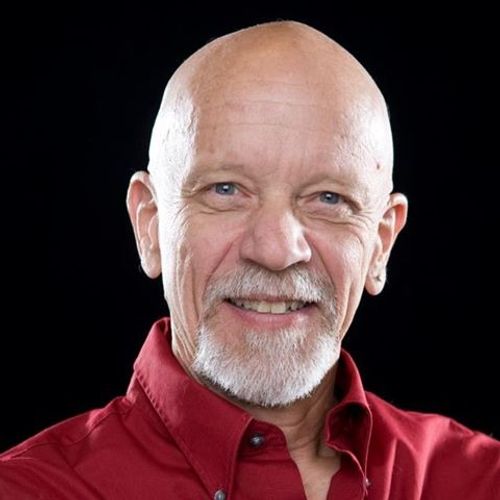
Episode 128
Essential Strategies for Successful House Flipping
The primary focus of this podcast episode is to elucidate the essential do's and don'ts of flipping houses, a venture that, if approached naively, can lead to substantial financial losses. I, Steve Dubell, alongside my esteemed colleagues Kevin Fulkerson and Jennifer Abbs, aim to equip our listeners with the requisite knowledge to navigate the complexities of real estate investment. We shall delve into the myriad pitfalls that often accompany unprepared endeavors in home flipping and emphasize the importance of thorough research and realistic budgeting. It is imperative to understand that the process extends far beyond mere cosmetic enhancements; it encompasses meticulous planning, financing strategies, and adherence to local regulations. Our discourse is designed to empower both novices and seasoned investors with insights that foster prudent decision-making in this lucrative yet challenging domain.
Takeaways:
- Flipping a house involves much more than mere cosmetic changes; understanding the fundamentals is crucial.
- A successful home flipping venture requires comprehensive research and awareness of potential pitfalls.
- It is imperative to allocate an 'oops fund' to account for unforeseen expenses during renovations.
- Selecting the right contractor is essential to avoid financial losses and ensure project success.
The podcast delves into the intricate and often misunderstood realm of house flipping, presenting a wealth of knowledge designed to equip both novices and seasoned investors with essential insights. Steve Dubel, alongside industry experts Kevin Fulkerson and Jennifer Abbs, articulates the fundamental do's and don'ts of flipping homes, emphasizing that the endeavor transcends mere cosmetic upgrades such as paint and flooring. The discussion begins with a stark warning against underestimating the complexities involved in the process, as missteps can lead to significant financial losses. Listeners are urged to approach house flipping with a comprehensive understanding of the market, the importance of thorough research, and the necessity of having contingency funds to address unexpected issues that may arise during renovations. Throughout the episode, the hosts explore several critical themes, including the importance of selecting the right properties, understanding local market dynamics, and the need for proper budgeting and financial planning. They share cautionary tales of individuals who ventured into flipping without adequate preparation, resulting in disastrous outcomes. The conversation also touches on the significance of collaborating with experienced mentors and the value of learning from both successes and failures in the industry. Ultimately, this episode serves as a vital resource for anyone contemplating a foray into the world of house flipping, offering a blend of practical advice and strategic insights that can pave the way for success in this lucrative yet challenging field.
Links referenced in this episode:
Companies mentioned in this episode:
- Legacy Custom Homes 8Z
- Cornerstone Design
- Ideal Home Improvement
- Stardust Building Supplies
- Mr. Electric of Phoenix-Metro
Transcript
I'm Steve Dubell, and if you think flipping a house is just paint, floors and profit, you're already behind the eight ball.
Speaker A:On this episode of Boxcar Universe, we're breaking down the real do's and don'ts of flipping a house.
Speaker A:So don't lose your money before the project even starts.
Speaker B:Since the dawn of time, mankind has searched for ways to shelter themselves from the elements.
Speaker B:Over the centuries, these shelters have evolved from bamboo huts to concrete towers.
Speaker B:The last few years, there's been a push to save the planet.
Speaker B:Are you ready to embark on a more sustainable lifestyle?
Speaker B:Look no further.
Speaker B:You're about to enter the adventures of Container Home Living.
Speaker B:And now, contractor, radio and TV personality, and your host for Boxcar Universe, Steve Dubel.
Speaker A:Hi, I'm.
Speaker A:Hi, I'm Steve Dubel, host of Boxcar Universe.
Speaker A:And here's what's coming up.
Speaker A:On this week's edition of Boxcar Universe.
Speaker A:We are going to be talking about fix and flipping homes, along with my good friends Kevin Fulkerson and Jennifer Abs from Legacy Custom Homes 8Z, as well as Cornerstone Design.
Speaker A:And if you are a person that is thinking about getting into flipping homes, if you have any idea on how to do that, you might be experienced, you may not be.
Speaker A:If you're not, then this show is definitely for you.
Speaker A:And I want everybody to stay tuned because there's a lot of lessons to be learned here and a lot of things we're going to help make you not fall into, because if you're not experienced in this field, you basically could go broke.
Speaker A:So we're going to help you avoid all those pitfalls.
Speaker A:All that and more on this week's edition of Boxcar Universe, your home for remodeling and renovating your world.
Speaker A:And we'd like to welcome all our listeners to Boxcar Universe.
Speaker C:Today.
Speaker A: mily, but also thinking about: Speaker A:Because, you know, taxes are right around the Corner and your CPAs, or you'll start seeing those ads for, you know, all the different organizations that actually help you with your taxes as well as.
Speaker A:And again, like I said, I know my favorite CPA will be calling me in January, but you want to think about what you're going to be doing.
Speaker A:And if you are interested and heard a lot about flipping homes, but you really haven't got gotten into you know, any research and I, that's one of the things we always try and promote on the show is always, please do your research.
Speaker A:I mean, you know, as I always said, a homeowner tools could be a dangerous thing.
Speaker A:And that could very well be the same when you decide that, hey, you know, my friend told me he flips homes.
Speaker A:I'm gonna look into it.
Speaker A:And you know, there are so many different things that you gotta learn about, not just from the way of remodeling and repairing the home itself, but also to be able to recognize good flip money making homes that are going to be of benefit for you.
Speaker A:So when, you know, when you're all done and the house sells, that you walk away with a decent amount of change, not just for the sake of doing it.
Speaker A:And I think that's what a lot of people get into.
Speaker A:And before you know it, they don't allow for the unknown.
Speaker A:And that's one of the things that could really, really hurt you when it comes to if you use hard money or even if you're using your own money.
Speaker A:Because if you, if you're financing your flip and your repairs, you've got to figure all that in.
Speaker A:And I could think of no better people to explain this and have a discussion with and help educate our listeners here at Boxcar Universe.
Speaker A:And but Kevin Fulkerson and Jennifer Abs and guys, welcome to Boxcar Universe.
Speaker C:Thanks Steve.
Speaker C:Good to be here.
Speaker A:Really great to have you both here.
Speaker A:Jennifer, first time.
Speaker A:And we'll let you know that we are a kind and gentle talk show host.
Speaker A:And no one's ever left the studio bleeding.
Speaker A:So don't worry, you're in good hands.
Speaker C:Might be a few tears shed.
Speaker A:Might be a few tears shed.
Speaker A:That's if you don't follow our instructions.
Speaker A:You'll have some tears shedding.
Speaker C:Steve will be crying.
Speaker A:Yeah, okay.
Speaker A:But anyway, why don't you let our listeners give them a little bit idea about legacy and Cornerstone Design.
Speaker C:So we do plans and permits through Cornerstone Design, commercial, residential, everything from patio covers to we just picked up a five story hotel.
Speaker C:We're going to be designing everything across the board, helping people basically with the truth about when you need a permit and what do you need to do?
Speaker C:What actually needs to go in that permit for your plans and stuff.
Speaker C:There's a lot of misconceptions.
Speaker C:I always get people saying, well, this guy said we didn't need a permit and these people said we need an engineer, this type of stuff.
Speaker C:So I go through what's really needed.
Speaker C:We can do plans as simple as, you know, you might get four or five sheets on a simple remodel.
Speaker C:Or you could get, if you want, architectural stamps, which are not required in residential, we can give you 40, 50 sheets if you want.
Speaker C:It just costs you more money.
Speaker C:Most of them you'll throw away.
Speaker C:But so we go through all those misconceptions with people.
Speaker C:What do you need?
Speaker C:What needs a permit?
Speaker C:And I tell people if it's not moving and it's in your yard, it probably needs a permit.
Speaker C:And, you know, so it's.
Speaker C:It's just one of those deals where we do a lot of education going along with it so people really know what they need.
Speaker C:And then with the legacy, it's any.
Speaker C:We do custom homes, big remodels, apartments, small commercial, things like that.
Speaker A:Yeah, I mean, and that's, again, the educational part, I think, is so very important because, you know, a lot of people, like I said, they.
Speaker A:You see horror stories, excuse me, horror stories all the time on social media where people got into certain things and even on television, you know, where you see.
Speaker A:Well, what happened?
Speaker A:Well, you know, they didn't see this.
Speaker A:Or, you know, I remember seeing one show where, again, and this is another good thing to consider.
Speaker A:If you're, like, living in a specific area in the country and you start doing this, it's good that you stay in that area, because when you get outside the area, laws change and the rules and regulations change from the different city municipalities.
Speaker A:This one program that I remember seeing specifically was the fact that it was in Florida.
Speaker A:They did one.
Speaker A:They were dealing in one specific area, and they were quite successful at doing it.
Speaker A:But then they, all of a sudden they thought that they would branch out because there was this big island area right outside the coastline that had homes on it.
Speaker A:But it had a nice.
Speaker A:An older home that they thought was very elegant, that if they flipped it, it would have a private road entrance from the mainland to the island.
Speaker A:They didn't know.
Speaker A:You know, they went and looked at it and it was.
Speaker A:It was in pretty bad shape, but it was definitely usable.
Speaker A:They started working on it.
Speaker A:However, here's the thing.
Speaker A:There was a municipality guideline, I should say, not like actually property line, between what this one municipality they were under, which the thought that they were under, and they were told that they were under originally until later on when they called for their first inspection, they found out that it wasn't.
Speaker A:And he was under this, the adjacent property municipality, which called for a whole bunch of different things.
Speaker A:And all of a sudden all work stopped because they had to go back and address so many issues.
Speaker A:And when they went back and figured out what those issues were that they had to address, they realized that they were basically going to lose their shirt.
Speaker A:Okay.
Speaker A:And this is just like a small company of one or two people, maybe three.
Speaker A:I can't.
Speaker A:I think it was three.
Speaker A:And all of a sudden they were looking for, you know, other people to come in and, and help them figure out, well, what are we going to do?
Speaker A:Well, they.
Speaker A:They had run across an investor that was looking at the same property the same time they were getting ready to buy it.
Speaker A:So they figured that they would go back out.
Speaker A:And they searched her out and she was dealing with a lot of other flip properties, and they got her to come back over and look at the property.
Speaker A:And they realized the selling feature, the property was so big, the thing that enticed her in to rescuing them from their dilemma, because when she rescued them, they basically broke even so they didn't get hurt.
Speaker A:But the property on the island was big enough to subdivide, so they were able to build two more custom homes on that property as well as renovate the first one.
Speaker A:That was sinking them into the.
Speaker A:Into the abyss.
Speaker A:So, again, you've got to do your fact finding, Jennifer.
Speaker A:I'm sure, you know, with your experience, you know that that is a lot to be said.
Speaker A:I mean, I don't think you could ever do enough research.
Speaker D:Yeah, absolutely.
Speaker D:Yeah.
Speaker D:And I want to just real quick thank you for this podcast because my first story was one of those unfortunate stories, and I'm either smart enough to keep going or dumb enough to keep going.
Speaker D:But had I found a podcast like this, my story might have started a little differently.
Speaker A:But you found Kevin.
Speaker E:I did.
Speaker D:I did.
Speaker D:Absolutely.
Speaker A:Absolutely.
Speaker C:You know, the story you're telling is not in common.
Speaker C:We run across all the time that, you know, people think, well, I'll go flip a house and put 10, 15 into it.
Speaker C:I've had a lot of people to me say, if we flip this house, we can make 20, 30,000.
Speaker C:I'm going, that's not enough money.
Speaker C:What do you mean?
Speaker C:Because to a lot of people, 5, 10,000, a lot of money.
Speaker C:I wouldn't turn it down.
Speaker C:However you're flipping a house, there's unknowns you can run into.
Speaker C:You don't have a clue what's in that place.
Speaker C:Sometimes you're buying them sight unseen, you're going off pictures.
Speaker C:But when you get into it, if that house sits more than a month or two, when you're done, you're Going negative because you're making payments and stuff, and there's just not enough money in it.
Speaker C:So the typical rule that most.
Speaker C:When you're taking a course, which I always say, you can't teach a kid to ride a bicycle at it at a seminar.
Speaker C:So you're not gonna learn anything through a seminar.
Speaker C:Maybe you get an 800 number and all.
Speaker C:And that's all good and fine if it really works, but if it doesn't, I've done those, Jennifer's done those that you paid money.
Speaker C:But the lesson you learned was don't take one of those courses because find a mentor that you can work directly with.
Speaker A:It is so important because you could see, like, you know, in some of those online courses, oh, yeah, you know, we're available, we could do this.
Speaker A:But there's nothing that beats having a person in the same city that you could meet and go to and have them get you through your first couple of flips to where you feel that you're comfortable.
Speaker A:Because when they, when you spend all this money on an, you know, on a course with, with nobody in town, you know, it's like, you know, why don't you just flush the money down the toilet?
Speaker C:Well, yeah.
Speaker C:So you want, yeah, you want to find somebody local if you can, but I've talked with people who don't live in the area.
Speaker C:We live in the Phoenix area.
Speaker C:And what I tell them is, look, I may not know everything right now, but I can find out.
Speaker C:You need somebody who can.
Speaker C:And I'll tell you what to do.
Speaker C:You're going to do a lot of the legwork, but then you've got to let them know, look, you're going to pay me for my expertise, and I'm not going to get you into a deal and get paid to where you're going to go.
Speaker C:Negative.
Speaker C:I'd rather kill the deal for you and have you look at Tim.
Speaker C:There's a lady in town, Ms. Veronica, I don't remember her.
Speaker C:She has a daughter who is 24 hour care.
Speaker C:She's can't talk, reading, she's bedridden.
Speaker C:And so she brought me literally 8, 9, 10 deals.
Speaker C:And I kept saying, look, there's stuff missing and everything.
Speaker C:The last one I just said, Look, I'm sorry, Ms. Veronica, but she goes, no, you don't understand.
Speaker C:I don't have money to waste.
Speaker C:The money I have needs to make me money because she's, you know, caretaker for her daughter.
Speaker C:So.
Speaker C:And I don't know if anybody wants to go into a deal.
Speaker C:Oh, we lost Money.
Speaker C:That's great.
Speaker C:We learned it.
Speaker C:You'll learn.
Speaker C:Not the way you want to learn.
Speaker C:So flipping is an industry where you've got a lot of people that are.
Speaker C:I'm not going to call them unscrupulous, but they don't want to take the steps to make it a really good deal.
Speaker C:They're interested in.
Speaker C:We get in there, we get cheap, we get cheap this, cheap that.
Speaker C:All the plumbing's fine.
Speaker C:We cameraed it.
Speaker C:It's running fine.
Speaker C:But in this area, we have a lot of cast iron.
Speaker C:And I just tell people, if it's got cast iron, you leave it.
Speaker C:I don't care if it's running smooth.
Speaker A:Yeah.
Speaker C:And you're plumbing, you're making a huge mistake.
Speaker A:Absolutely.
Speaker C:And then there's houses that were done when we had aluminum wiring, and if one of those comes up, I tell them, you need to get rid of all the wiring.
Speaker C:Well, it's fine.
Speaker C:The electricians, I understand that, but the concept or the.
Speaker C:When you go to sell it, people see aluminum wiring, you're gonna lose a lot of people right there.
Speaker A:Oh, yeah, absolutely.
Speaker C:But show them how you're a better.
Speaker C:You know, we're not your normal flipper.
Speaker C:We removed all the cast iron plumbing a lot less.
Speaker C:You, your kids and your grandkids.
Speaker C:We got rid of the old aluminum wiring that has problems with the outlets and stuff.
Speaker C:And, you know, sell that market.
Speaker C:It's.
Speaker C:Tell them the extra things you did, why your house is going to be better than the house next door.
Speaker C:But the horror stories are out there.
Speaker C:People buy stuff, they get a course, and then they find out they can't do what they thought they could do.
Speaker C:And that's the sad part.
Speaker C:I just hate to see people lose money that they shouldn't have lost had they had the right education.
Speaker C:And we know people, Jennifer and I know a couple, they're going to lose some probably 250,000 on a deal here due to the fact that the contractor took four or five big deals.
Speaker C:He got a bunch of money, and all of a sudden he's hiring people to work for him, which he really didn't need.
Speaker C:He bought a new truck, he bought a house, put 100,000 in it.
Speaker C:And the money, a lot of it's going elsewhere.
Speaker C:And he bought stuff that he thought he could make money on, but he really wasn't thinking.
Speaker C:So those all went into foreclosure.
Speaker C:Well, his way of stopping the foreclosure was.
Speaker C:Was declared bankruptcy.
Speaker C:So it took two years for these houses to get done.
Speaker C:And there's People not going to get their money back.
Speaker C:No, they won't.
Speaker C:It's.
Speaker C:And that's.
Speaker C:You don't want to be one of those people.
Speaker C:There's always lessons to learn.
Speaker C:We flipped, you know, a lot of houses and you get in and all of a sudden you find out there's termite eating stuff all over.
Speaker C:Oh, yeah, but that's the stuff you plan on.
Speaker C:You've got to have a contingency.
Speaker C:We call it oops money.
Speaker C:Oops.
Speaker C:We didn't see that.
Speaker C:We didn't know that.
Speaker C:Stuff that's hidden.
Speaker C:You can't see through walls.
Speaker C:You might see some termite activity.
Speaker C:But I've had people go and say, now the termite inspection.
Speaker C:Didn't find anything.
Speaker C:Start opening walls and everything's eaten up.
Speaker A:So now, Jennifer, I need to ask you, when you.
Speaker A:You said that when I was mentioned that other property in Florida, did you have an oops fund?
Speaker D:I did not.
Speaker A:You did not.
Speaker A:Oh, no.
Speaker D:Money burning a hole in my pocket.
Speaker A:Oh, see that?
Speaker A:Yeah.
Speaker C:You've got this to us who you're in with, because there are people you can partner with who do not have your best interest in heart.
Speaker D:And that's what happens.
Speaker C:Yeah.
Speaker C:And that's what happened.
Speaker C:So I got in one of those.
Speaker C:But fortunately we're still around.
Speaker C:We didn't lose everything.
Speaker C:It can taint you too.
Speaker C:You go, well, this stuff doesn't work.
Speaker C:Well, it doesn't work if you don't work and you don't understand how.
Speaker C:Part of getting there is your first one may not be a great deal, but you're learning.
Speaker C:And if you have the stamina to put up that, go through the brain damage that's there and realize, you know what I learned off this?
Speaker C:I won't make that mistake next time.
Speaker A:Right.
Speaker D:And how can I help other people not make that mistake?
Speaker C:That's it.
Speaker C:So we mentor and you.
Speaker C:And I've done some stuff with people offering a mentor, but most people, they don't want to pay for the lessons.
Speaker C:Well, they're going to pay one way, the other.
Speaker A:Yeah, yeah, sure.
Speaker C:Are they still make some money or they're going to pay by losing and then they get out of it.
Speaker C:So it's.
Speaker A:And speaking of crying.
Speaker A:They'll be crying.
Speaker A:Yes, absolutely.
Speaker C:It's not an easy industry.
Speaker C:It's one of the best ways to make money, but you've got to have.
Speaker C:You can't have thick skin or thin skin.
Speaker C:You gotta have thick skin and you gotta be willing to do more than work your 8 to 5 and then come home and watch TV.
Speaker D:You have to have the right expectations.
Speaker C:Yeah.
Speaker D:Of the work involved in the whole process because hgtv, they make it look so sexy and good.
Speaker D:And that's how I got started.
Speaker D:And then my first flip, managing people, contractors, schedules, you're like, oh, this is a lot more than I thought.
Speaker D:And then I found a mentor that was very well spoken.
Speaker D:And so I technically did have a fund and he took all my funds.
Speaker C:When you and I did the one people watch those TV shows and then you had the lady, the bathroom remodel and go out there and 22, 23,000, which is not unusual for we're not talking a high end master, we're talking average bathroom.
Speaker C:And she goes, I thought it cost 6 to 8,000.
Speaker C:She watched some of the shows and you get all the time from people.
Speaker C:I said, these people say they did a kitchen for 20 grand that maybe even cover appliances most of the time.
Speaker C:And because they watch these shows, but they don't realize there's advertising money in there.
Speaker C:A lot of the sponsors and subs are giving special deals because their names getting advertised out there and it doesn't happen like that.
Speaker C:Can you do a cheap remodel?
Speaker C:You can.
Speaker C:There's discount houses.
Speaker C:You can buy discounted appliances, scratch and dead appliances.
Speaker C:There's places here.
Speaker C:But if you're going to get into the higher end stuff, you're going to do high end.
Speaker C:You know, your kitchen package might be 50 to 100,000 just for your appliances on a high end home.
Speaker C:And most people, they don't have that concept.
Speaker C:Oh, that's a lot of money.
Speaker C:It is.
Speaker C:You know, they're used to.
Speaker C:If the remodel is 50,000, the whole thing, it's overwhelming.
Speaker A:I think there's two things that I want to share before we go to break with all our listeners.
Speaker A:If you are, we'll say you don't have to be a contractor, but you could be handy with tools.
Speaker A:Okay.
Speaker A:You got to realize again, preparing and having that oops fund is always a great thing.
Speaker A:But I learned a long time ago that, you know, I've been doing remodeling and stuff for years.
Speaker A:Dealing with a homeowner talking about the remodeling of their home they're going to continue living in.
Speaker A:It is completely different than if you go out and you flip a home and you got to try and get it done because the flip is a business arrangement.
Speaker A:The other part is you're working with someone who's got a lot of vested interest in their homes not to Mention, you have to as a contractor, you've got to be able to differentiate the two when you're working on it.
Speaker A:And then I learned a long time ago that you know your pricing when your pricing flips for investors, it's a lot different than pricing.
Speaker D:Absolutely.
Speaker A:For a homeowner.
Speaker A:And then comes the other added thing that a lot of people don't really get into because it's not their thing.
Speaker A:But if you're a contractor like me and I was approached and I've done TV work before and doing flips, coordinating the work with a TV schedule, now that took a while to get used to myself.
Speaker A:Now it's like everything else.
Speaker A:Like you said, ride a bike, it's second nature.
Speaker A:You know, you'd be able to do that.
Speaker A:But there are so many different things that you have to consider that we want to get everybody started on the right way.
Speaker A:But we're going to take a short break.
Speaker A:When we come back, we're going to start laying out the different plateaus and things that you need to consider when you start thinking about doing it from.
Speaker A:As we said, we touched a little bit about this before getting started the right way.
Speaker A:We want to get into some financing and paperwork issues, planning and design.
Speaker A:And then obviously, if you are a flipper and if you're a homeowner and you're going to hire people out, even if you're a contractor and you deal with a lot of subcontractors, you better make sure that you find the right contractor that you are 110% comfortable with that's licensed, bonded and insured.
Speaker A:Because if you don't, it can come back and bite you if things go south.
Speaker A:And that's not what you want to hear, especially when things go south.
Speaker A:All you could see is your money draining out of your wallet.
Speaker A:And we don't want to have that happen.
Speaker A:So everybody stay tuned.
Speaker A:We got more coming your way.
Speaker A:This is Box Car Universe.
Speaker A:This is Steve Dubel from Boxcar Universe.
Speaker A:And if your home needs a transformation, Ideal Home Improvement is a team you can trust.
Speaker A:From kitchens to bathrooms, room additions, windows, roofing and flooring, even full home renovations, we deliver craftsmanship, communication, integrity every step of the way.
Speaker A:Licensed, bonded and insured.
Speaker A:ROC 362-349.
Speaker A:Ready to upgrade your home?
Speaker A: -: Speaker A:Ideal Home Improvement.
Speaker A:We build it better because your Home deserves it.
Speaker B:Stardust Building Supplies is your home improvement thrift store.
Speaker B:Find salvaged and gently used cabinetry, doors, windows, appliances, lighting, plumbing and much more.
Speaker B:Save money, be green and support the community.
Speaker B:Shop and donate at Star Building Supplies Valley locations.
Speaker B:For more info, visit stardustbuilding.org.
Speaker C:All right.
Speaker A:You are listening to Boxcar Universe and we are here with Kevin Fulkerson and Jennifer Abs.
Speaker A:When we were talking about home flipping and you know, one of the things I want to get before, I want to mention before we get started on going through some of these points that we want to let our listeners know about, you know, one of the things that also we talk about home flipping, one of the things that I saw we talking about homeowners or people doing things that they think they know what they're doing, but they really not.
Speaker A:Okay, I know and have seen someone online and again, ego takes over and common sense just goes out the window.
Speaker A:Trying to showcase how he's flipping a container from an empty shell into a livable space.
Speaker A:And he's showing this while it's sitting on my property.
Speaker A:It's I'm going to be doing this and I'm going to do that.
Speaker A:Then all of a sudden another post is, well, I'm cutting this, I'm cutting out, you know, windows and doors and everything else.
Speaker A:And he's moving along at certain things but never mentioning the stuff that is important going on, like never mentioning the things about reinforcing where the windows and the door, new doorways are going because you just can't cut steel open and say, hey, I'm going to frame it in.
Speaker A:And then is he doing wood framing or is he doing steel framing?
Speaker A:You know, and there's a lot that goes into doing that as well is similar to like a regular, regular home flip would be, you know, except they're in the building mode, obviously from scratch.
Speaker A:But flipping a home is very similar when you're thinking about, well, what, what things am I going to put in my home or in this, this home that we're going to sell that's going to be, you know, advantageous to the looks of the home.
Speaker A:Is it going to be affordable for my budget in flipping it and make sure that I don't over build it for the neighborhood, which I don't think a lot of flippers they won't do because I think most of the stories, I think Kevin, you guys will agree that when people turn around and they and you walk into people's homes that they say, oh yeah, this home was a flip, you Know, that's.
Speaker A:That says a whole lot because, you know, I walk in and I see things like, why in the hell did they do that?
Speaker A:And stuff like that.
Speaker A:And it's like, well, yeah, it was a flip.
Speaker A:And the guy didn't really.
Speaker A:Because you don't know.
Speaker A:You don't know if you're buying from an investor, you know, who we use to do the work.
Speaker A:That's the problem.
Speaker A:And most of them are looking for shortcuts because they're working off a budget.
Speaker A:You know, they're not thinking about, well, I'd rather use this material because it's better for the.
Speaker A:For the house and for the sale instead of using this one.
Speaker A:Well, this is okay to use even, but it's cheaper.
Speaker A:And a lot of times the.
Speaker A:Okay, it's cheaper.
Speaker A:Is it.
Speaker A:Is it gonna last?
Speaker A:And the deficiencies are going to show up when people try and go sell it.
Speaker A:And I know.
Speaker A:I know some people that actually were roofers, they thought that they could go flip this house.
Speaker A:And, you know, they didn't.
Speaker A:They knew somewhat of what they were doing.
Speaker A:But then all of a sudden, I got the phone call like, steve, we're having a problem with this, or we're having a problem that.
Speaker A:Can I.
Speaker A:Can you come over and fix this for us?
Speaker A:You know, and it's like, okay, how did this happen?
Speaker A:You know, because I always like to.
Speaker A:I don't want to put them on.
Speaker A:I don't want to put them on notice, like to say, you know, like point fingers.
Speaker A:But I want to know how you thought of that so I can help you not do it again.
Speaker A:Like you said before, big problem.
Speaker C:You see, one thing I have to learn to turn off my investor builder type thing when I go to somebody's house, because I'm always, yeah, we notice those things, like there's cracks or things that.
Speaker C:Like the baseboards not caulked.
Speaker D:It's like paint lines drive me crazy.
Speaker C:Paint lines, stuff like that.
Speaker D:I always walk into houses and the first thing I look, oh, yes.
Speaker A:Because they didn't know the guy didn't.
Speaker C:Do how to cut in Walter out of plumb.
Speaker C:I had a client, and he decided he was going to build his own.
Speaker C:I said, look, Keith's a friend.
Speaker C:I said, For 10%, I'll run it and build it.
Speaker C:You've got a guy who got really cheap.
Speaker C:And so the cabinet guy, he had three cabinet guys out.
Speaker C:The first one took a deposit and then disappeared.
Speaker C:The second one, that third one actually came out, was getting ready to build the cabinets.
Speaker C:He comes out he measures the wall and it's three quarters of an inch out of plumbing.
Speaker C:And the guy said, I don't know, to hang a cleat on here.
Speaker C:You're going to have your scribe.
Speaker C:You're going to have this weird angle.
Speaker C:The walls were out of place.
Speaker C:And those are things that people just don't think about.
Speaker C:You think we're going to hire a guy to frame it.
Speaker C:But if you don't check, if you don't know what they're doing, you don't check it, you can run into big problems.
Speaker C:And that's, you know.
Speaker C:You mentioned the containers.
Speaker C:I get it all the time.
Speaker C:I've got put one on.
Speaker C:We have a lady we're dealing with now, you and I are, and I'll just put on my lot.
Speaker C:I said, well, where are you going to put it?
Speaker C:Well, anywhere.
Speaker C:I said, no, you're going to need a building permit, number one.
Speaker C:If it's over 200 square feet, you need a building permit.
Speaker C:And if you're going to finish it out, you definitely need a building permit to put that on there.
Speaker C:Permit to put it.
Speaker C:And then think, well, I'm going to do it myself.
Speaker C:Like you said, the minute you cut those holes, you now need a structural engineer to design the openings and stuff.
Speaker C:But people don't know that.
Speaker C:And they get told stories.
Speaker C:And then the one I like is the tiny homes.
Speaker C:And I said, where are you gonna put that?
Speaker C:In my yard?
Speaker C:I said, it's not code.
Speaker C:Doesn't mean code.
Speaker C:Put it on a trailer, Put it on wheels.
Speaker C:Now you got a travel trailer.
Speaker C:Well, they don't want that.
Speaker C:They want to ground set it.
Speaker C:So those misconceptions are out there and everybody's, you know.
Speaker C:Well, I heard about a guy.
Speaker C:Well, I've heard about a lot of guys too, and I wouldn't do anything.
Speaker C:Those guys need to be, you know, put out to pasture.
Speaker C:But there are areas of the country where you don't need building permits.
Speaker C:Or there's area in Phoenix or in Arizona, Young Arizona.
Speaker C:I don't think it's changed.
Speaker C:But I did some.
Speaker C:A floor plan for a guy going to build a house down there.
Speaker C:And he said, I just need electrical plan.
Speaker C:I said, you don't need full set plans?
Speaker C:He goes, no, I just go in and tell them what I'm doing.
Speaker C:And I don't even need plans for them.
Speaker C:The electrical plan is for the utility companies so they can size my service.
Speaker C:No inspections.
Speaker C:I just paid for a permit.
Speaker C:No inspections, nothing.
Speaker C:So there are places where you can do that.
Speaker C:But they're few and far between.
Speaker C:And now homesteading has become a huge deal.
Speaker C:Now, areas you can homestead a lot of them.
Speaker C:Either there's no building permits or they're pretty vague.
Speaker C:So you can get away with a lot of stuff, but you're not going to do that in Phoenix or Glendale or anywhere.
Speaker C:Maricopa county even.
Speaker C:I see guys putting up stuff all the time and I get calls, hey, we did this and we didn't get a permit.
Speaker C:Can you help us out?
Speaker C:I said, yeah, but you're probably gonna have to do some stuff because if you didn't do it right, you're gonna have to fix it or tear it down.
Speaker C:Which do you want to do?
Speaker A:Yeah.
Speaker C:So those misconceptions come in all the time from people.
Speaker C:And then the people that, you know, we bought this from a flipper and, and I don't, I don't like people to know what I do because if they know that and then we bought it from the flipper, they go, what do you think?
Speaker C:And I'm not thinking about this.
Speaker C:We know people that have flipped and they, they just do the bare minimum.
Speaker C:Yeah.
Speaker C:Their job is, all they want to do is make money.
Speaker C:They really don't care about people like they say they do.
Speaker C:There's a few out there, but most of them don't.
Speaker C:It's making money and they'd rather take the risk not getting permits because rarely will it come back.
Speaker C:And the one that comes back, yeah, they'll fix a few things, whatever.
Speaker C:But yeah, it's a real issue.
Speaker C:And you got a lot of people say they know what they're doing, but they really don't.
Speaker C:So that's where we come in.
Speaker C:Like that is we'll partner up with people or team up, you know, help them out.
Speaker C:Okay.
Speaker C:You may not make as much on your first one because you're going to pay us, but you're probably not going to, you know, be wishing you'd never done it.
Speaker C:Or you might say, you know what, this is great.
Speaker C:We made some money.
Speaker C:This hidden for us.
Speaker D:Right.
Speaker C:Or we have people say, hey, this is great.
Speaker C:We learned a lot.
Speaker C:Thank you.
Speaker C:We'll do it on our own.
Speaker C:Great.
Speaker C:Or we like this, but we've got the money.
Speaker C:You do.
Speaker C:We'll split with you.
Speaker C:We do that.
Speaker C:You know, we're going to do that anytime.
Speaker A:So, yeah, because we want to make it a win win situation for everybody.
Speaker A:I mean, it's not like a lot of contractors out there.
Speaker A:And really, honestly, contractors get a bad rap because there are so many people that are out there, that are, that are not good.
Speaker A:They're not good business people like you had said, Jennifer.
Speaker A:They're not honest, you know, and they're just out there just for the almighty dollar and that's it.
Speaker A:And they don't really care about the quality of work.
Speaker A:They do.
Speaker A:And then when you call them out on it, you know, they bail.
Speaker C:We've been this long time.
Speaker C:There's guys out there that they think they know enough to.
Speaker C:They're, they're a small.
Speaker A:Yeah, they're dangerous.
Speaker A:Exactly right.
Speaker D:I was dangerous.
Speaker C:And then they're, now they're gonna do additions or build new homes.
Speaker C:And I, I've, I've seen that with these guys.
Speaker C:And I usually see issues with, with the own because they either don't bid it high enough.
Speaker C:I tell guys, if there's guys say, oh, I can't get more than 10%.
Speaker C:I said, then go get a job.
Speaker C:You'll have less headaches and you'll make the same amount of money, but you won't have the responsibility.
Speaker C:Because you go out there, if you're only bidding 10% on top to make money, you're always gonna be the guy that does one rebound this, you know, this month, and then we go do another one.
Speaker C:You're always going to be making wages.
Speaker C:You're never going to get money saved aside so you can retire someday.
Speaker C:It's just a problem in the industry.
Speaker C:And there's a lot of guys that don't know what they're doing.
Speaker C:They think they do.
Speaker C:And we've seen stuff framed and have to have it torn out.
Speaker C:And, and then the other issue is nothing against anybody of ethnicity.
Speaker C:There's a lot of guys that don't speak English.
Speaker C:So if you don't have somebody that translates when I get out there and they speak a little, I'd say call whoever.
Speaker C:Their former whoever get somebody on the phone that can translate.
Speaker C:Because a lot get.
Speaker C:A lot gets lost in there.
Speaker C:Yeah.
Speaker C:And so that's a big deal, too.
Speaker C:It's not that they're stupid, but when you can't communicate with someone, that's when problems happen.
Speaker A:Problems happen.
Speaker A:But let's start a little bit about.
Speaker A:Okay, so like I always like to say, I'm Joe homeowner or.
Speaker A:No, actually, you know, Kevin, we could say, you know, we'll use Jennifer as an example because she's here.
Speaker A:I mean.
Speaker A:Okay, so when you first started talking about wanting to do a flips.
Speaker D:Yeah.
Speaker A:What made you decide that that's what you wanted to do?
Speaker D:Yeah.
Speaker A:And wanted to get into it, I.
Speaker D:Wanted to retire early.
Speaker D:I had a career.
Speaker D:And I was like, if I could do this for a few years and cut my retire, start building faster, new mom, HGTV sold me my kids father's grandma was like, I'm going to an event, why don't you come?
Speaker D:And I was like, okay.
Speaker D:On day one, I raised my credit cards to $85,000 and was like, well, this is great because I didn't know what I didn't know.
Speaker D:That's the key to mentorship.
Speaker E:Right?
Speaker D:I went in and I was sold.
Speaker D:We split it 50, 50.
Speaker D:We both put $15,000 down and we got a, a 1, 800 number in a binder.
Speaker D:And if we needed any more help, it was another $10,000.
Speaker A:What?
Speaker D:Oh, yeah, yeah, you.
Speaker D:And, and I later learned you didn't.
Speaker A:Even get any mentorship at all on the initial purchase.
Speaker D:Depending on how you qualify mentorship.
Speaker D:Because now you're talking.
Speaker D:I've been in this for 10 years.
Speaker D:So.
Speaker D:Right.
Speaker A:Yeah.
Speaker D:An ignorant person is like, yeah, I got mentorship.
Speaker D:And now understanding what I should have paid for.
Speaker D:But that is where I found my quote unquote business partner was we did have local for anyone who paid that amount of money, we would go to these two day little sub courses where you would literally learn how to go to Craigslist.
Speaker D:Like I look back and I'm like, red flag, red flag, red flag, red flag.
Speaker D:But I did everything.
Speaker D:I was a really good student.
Speaker D:If I'm going to pay that money, I'm going to do it.
Speaker D:So I was doing Craigslist.
Speaker D:Well, there was this gentleman in the back that knew all the answers to everything.
Speaker D:And Jen's brain was like, I got money, you got brains.
Speaker D:This is a good investment.
Speaker D:Unfortunately for him, I was a one hit wonder.
Speaker D:And for me I was like, we do one together, we can do 20 together.
Speaker D:Like I was big picture thinking, six months, two foreclosures, friends calling like, jen, there's a pink door on your.
Speaker D:A pink note on your door.
Speaker D:And now as the.
Speaker D:I'm speaking emotionally as a female homeowner.
Speaker A:Was it the Pink Panther coming to school?
Speaker D:And my head was in the.
Speaker D:I mean I had people telling me do this and do the honestly, I just wanted to fire sale and get out of it.
Speaker D:I had already lost money.
Speaker D:I was willing to work and do everything that I could do.
Speaker D:The person that was my quote unquote mentor at the time had all the right reasons for everything.
Speaker D:And so all these 20 people are.
Speaker A:Like, he was perfect.
Speaker D:He was so good.
Speaker D:We even maintained like a friendship because he was like, I'm gonna get you the money, Jen.
Speaker D:Like he sold me the idea that we went into a hard money loan and that there was something wrong with the loan and that's why we were in default.
Speaker D:And he was arguing with the lender because I was financially backing the lender.
Speaker D:But the hard money lending, that was all some way beyond.
Speaker D:Yeah, you don't go spend 30,000 at a seminar and understand how to negotiate with a hard money lender.
Speaker D:So I was paying him, he was not paying the lenders.
Speaker D:And he had all these reasons that made sense to a brand new bright eyed.
Speaker D:Yay, we're doing this.
Speaker D:And it ended in two foreclosures.
Speaker D:And because I had a social media.
Speaker D:This is what I'm doing.
Speaker D:I'm the next HGTV star.
Speaker D:Everybody watch.
Speaker D:It was humiliating.
Speaker D:It was humiliating because it was friends money that had trusted me and wrote me checks.
Speaker D:Yeah, it brings back a lot of stuff.
Speaker D:But like I said, I was either.
Speaker D:Well, I was smart.
Speaker D:I was smart because I was like, well, I could go back to work and leave my daughters at home, which the goal was to be a mom or I can make this work.
Speaker D:And I learned how to wholesale to make my money back so I could.
Speaker D:Because I was too afraid to get back into a flip.
Speaker D:I'm like, that's too much.
Speaker D:But these people are, they're wholesaling.
Speaker D:There's gotta be a way for me to do that and make, not have so much invested into the transaction and get out of this mess.
Speaker A:Right.
Speaker D:And so I started.
Speaker A:It's a lot faster sometimes.
Speaker D:Yes.
Speaker D:Yeah.
Speaker D:Yeah.
Speaker D:So I did really go to Craigslist and I messaged everybody and said, I'm brand new, I'd love to take you to coffee and learn about your real estate.
Speaker D:And I got a. I, I got, I learned who was a real buyer.
Speaker D:I still have amazing connections with men, you know, mentors, appropriately that we would go to coffee and they lost their ass in 08 and they were, Jen, I lost millions of dollars.
Speaker D:Like God bless you for losing 200k.
Speaker D:But that's cute.
Speaker D:Like I had a family and I lost millions.
Speaker D:And so they just poured into me and continued to mentor me and, and I continued to recognize that there's a difference between education, information and watching Kevin do a flip and being in hands on.
Speaker D:This is why we're doing it this way.
Speaker D:And are you sure you want to get into a whole flip or just a wholesale or.
Speaker D:I mean I learned so much.
Speaker C:Yeah.
Speaker D:But I was smart.
Speaker D:I just.
Speaker D:I love real estate.
Speaker A:Well, you have to be.
Speaker A:You have to.
Speaker A:When you see.
Speaker A:But you, you changed your, your, your thought pattern where you were saying, you know, I let me learn the right way.
Speaker A:Where other people may have just thrown their hands up and said, real estate's a scam.
Speaker A:Yeah, real estate's a scam, and you're done.
Speaker C:You can't be like that.
Speaker C:You've got to be able to.
Speaker C:You have to be able to go, you know what?
Speaker C:This part didn't work.
Speaker C:But overall, there's money to be made here, and it can be very enjoyable.
Speaker C:There's always challenges.
Speaker C:I tell people, if you worry about everything, don't get into this, because if it was easy, everybody'd be doing it.
Speaker A:Sure.
Speaker C:And so we actually, on one deal, Jen found a house.
Speaker C:It was a bad situation overall.
Speaker C:It's been a death in family.
Speaker C:But the guy that was doing it, my son actually worked, did some of the work, but he kept hiring people.
Speaker C:And my son would go out there and he get frustrated.
Speaker C:He goes, I'm fixing everything they're doing.
Speaker C:And in the end, she should have made thousands.
Speaker C:She did make some money, but it wasn't near what it should be.
Speaker C:And that was kind of a realization that this guy that was doing it, he talked to good game.
Speaker C:But then he didn't.
Speaker C:He didn't live up to it.
Speaker C:So I lost a little money in there, Jen.
Speaker C:And sometimes we say you lose money, you may have made just faith.
Speaker C:Yeah, faith.
Speaker C:But maybe if you say it sold for 100,000, you made five, you didn't lose money, you made less.
Speaker C:But also you got to realize, well, I should have made 150.
Speaker C:Well, maybe, but maybe that 45 you didn't make, you made up in knowledge and learning.
Speaker A:Absolutely.
Speaker C:And these are the kinds of deals that.
Speaker C:That really give it a bad name.
Speaker C:And so a lot of what we end up doing and you've been involved, this is educating people.
Speaker C:We've got a lady right now.
Speaker C:It's been over a year, we've been working with her.
Speaker C:We finally just told her, if you're not going to get your insurance company to sign off in this, we can't do anything for you.
Speaker C:Sometimes you got to educate.
Speaker C:And homeowners, they own the home, they've got the money, but they're not the experts.
Speaker C:If they were, they'd be doing it all themselves.
Speaker C:And we've seen homeowners try to do stuff.
Speaker C:So a lot of it comes in that you've got to.
Speaker C:You've Got to know what you're doing.
Speaker C:You got to be one learned.
Speaker C:You listen to YouTube, a lot of stuff on there.
Speaker C:You go to meetings.
Speaker C:We're all going to one later today.
Speaker C:And you get involved with the people where you can really learn this business if you really want to do it, or you're the person, hey, I've got the money.
Speaker C:Now we got to find the right person to partner with.
Speaker A:Yeah, absolutely.
Speaker C:And then where we partner with people who have money, we're gonna start raising our own.
Speaker C:Because you got to be careful there, because there's people that say they have money, and they probably do, but we don't.
Speaker C:We don't work in arrears.
Speaker C:So in other words, we get jobs.
Speaker C:You give us money, we work.
Speaker C:If you're not gonna put up money, because I'll pay you so well, when you get this part done, I'll pay you.
Speaker C:And I don't work that way.
Speaker C:You hire the guy that worked that way.
Speaker C:Because I've got a subcontractor right now.
Speaker C:I've been helped on some stuff.
Speaker C:So on his third job, he's gonna lose 30 grand on this one.
Speaker C:And I just keep telling him, why are you working without the money?
Speaker C:And he didn't pre lien up front, which he should have done.
Speaker C:You know best.
Speaker C:The least thing you need to do is pre lien.
Speaker C:But then I just told him, and I've got a partner in a small remodeling company.
Speaker C:I just told him he was using his credit cards and stuff to get stuff done.
Speaker C:I said, you're going after the wrong clients.
Speaker C:Because the thing is, well, I can't get anybody.
Speaker C:I said, because you think you can't get people the minute you think you can.
Speaker C:The minute you.
Speaker C:You've got to have that confidence and those affirmations, okay, it's out there.
Speaker C:Now I'm going to go get mine.
Speaker A:Yeah, really.
Speaker C:And be ready for that.
Speaker C:But there are.
Speaker C:There are people who want you to fund their deals.
Speaker C:So if somebody says, well, you'll do the work and then we pay you.
Speaker C:I said, no, if you.
Speaker C:If you don't have the money to do this, we'll help you find a loan.
Speaker C:We've got a couple remodel companies to do remodeling, financing.
Speaker C:Right, but if you don't have the money, then it's not our game.
Speaker C:We're not involved in that because those are the people.
Speaker C:You got to be careful because, oh, yeah, we'll pay you.
Speaker C:And then, yeah, I mean, again, you could.
Speaker A:You could really wind up in you know, with your, with your butt in a sling.
Speaker A:Yes, absolutely.
Speaker C:You probably will most of the time.
Speaker A:Absolutely.
Speaker A:All right, we're going to take a short break.
Speaker A:When we come back, we're going to have more discussions about fixing and flipping and how you can actually get started and learn a lot of things that Kevin and Jennifer and I know and so that you can have a successful career in fixing and flipping.
Speaker A:So don't go away.
Speaker A:You're listening to Boxcart Universe.
Speaker E:Hi, I'm Erica Thompson, the dominating designer.
Speaker E:A hard working artist with a sense of humor.
Speaker E:What is the dominating Designer process?
Speaker E:It's just like what you see on tv.
Speaker E:We discuss your wants and needs about your project, go over your ideas.
Speaker E:Then I provide you creative, one of a kind options that fit your budget with respect to your home's value.
Speaker E:When we finish your project, you are set to enjoy your new space.
Speaker E:I would love to help you with your upcoming project.
Speaker E:Please reach out to me on Instagram or the dominating designer.
Speaker F:Hi, I'm Sean with Mr. Electric and I have a tip to help make your life better.
Speaker F:One important reminder is to call a qualified electrician.
Speaker F:When you have frequent problems with blowing fuses or tripping circuit breakers.
Speaker F:When a circuit breaker trips or a fuse blows, it's indicating that you have a problem with some other part of the circuit.
Speaker F:If your breaker trips more than once, you should have a qualified electrician come out and take a look at it.
Speaker F:Contrary to what may be acceptable, you really shouldn't try to keep continuously try to reset the breaker because there may be a problem somewhere else down the circuit and you could be causing a fire hazard.
Speaker F:There could be a loose connection or some other form of problem on the circuit and every time you reset the circuit breaker, it could be causing a spark at the other end.
Speaker F:We recommend having a qualified electrician come out and check on the condition of the circuit and make sure that the circuit does not have any problems.
Speaker F:And it could just be a bad breaker also.
Speaker F:But you definitely want to have a qualified electrician check that out.
Speaker F:To have someone come out from our team may only take a portion of a day, but it could potentially save you a lot of money for your life.
Speaker F:And that's just another way Mr. Electric has the power to make your life better.
Speaker A:Cover the future of sustainable lifestyle living with Boxcar Universe.
Speaker A:Your go to source for cutting edge container home and container pool information.
Speaker A:Want a dream container home or pool?
Speaker A:We can build it for you.
Speaker A:Hi, I'm Steve Dubell from Boxcar Universe for the latest in container innovation and expert insights.
Speaker A:Tune in to our weekly podcast, Boxcar Universe.
Speaker A:Ready to start your project?
Speaker A: -: Speaker A:Listen, learn and build with us.
Speaker A:All right, and we are back and you're listening to Boxcar Universe.
Speaker A:And this is the fix and Flip episode where we're talking about people that would like to fix and flip, not just whether it be a container, a home.
Speaker A:And if you are interested, I hope you're getting some great information here today.
Speaker A: 's going to be more coming in: Speaker A:And Kevin, you had mentioned during the break speaking about what you and Jennifer are doing in a way of putting a mentorship together for people that like to do this.
Speaker A:Do you want to give us a little taste of what that's going to be about?
Speaker C:Yeah, we're looking at some different options.
Speaker C:One is there's a couple that we're doing, but one is going to be we're raising money.
Speaker C:So people who want to get involved in one, but maybe they're just interested in making a little more than they're making a retirement account or something.
Speaker C:Maybe they're making 2, 3, 4%.
Speaker C:We're setting up a fund where it'll pay 8%.
Speaker C:The money does not go to us.
Speaker C:It goes to a self directed IRA fund.
Speaker C:We use equity trust here locally.
Speaker C:There's a couple others we'll probably use.
Speaker C:So the money goes there.
Speaker C:So you know where it's going when we get it.
Speaker C:When we get a deal, then we contact whoever's put money up front.
Speaker C:Hey, we're doing this deal if you're in, but we're not going to go hunt deals down.
Speaker C:Then ask for money because if we don't have the money, the good deals are gone right away.
Speaker A:Yeah, they vanish immediately.
Speaker C:So that's one way to do it.
Speaker C:The other is looking at maybe doing a mentoring program where coaching and mentoring are a little different.
Speaker C:Coaching, you ask people questions.
Speaker C:What do you want to do?
Speaker C:What do you think that mentoring is?
Speaker C:Here's how to do this.
Speaker C:Here's how we do this to make money and stay out of jail and stuff like that.
Speaker C:And so when you do that, we want people to get involved.
Speaker C:They want to learn how to do that.
Speaker C:How do you, number one, how do you find the property?
Speaker C:How do you evaluate whether it's worth doing and then when you decide, how do you fund it and then permits once you go through that whole process.
Speaker C:So the mentoring program is probably going to be eight to 10 months.
Speaker C:There'll be a fee, obviously, but it's going to be the type of deal where you're going to get hands on.
Speaker C:So you're probably going to have to be local because to do it online is really tough to do.
Speaker C:We may end up doing videos from another type of deal, but you're going to be local, so you'll be coming out.
Speaker C:Doesn't mean you have to be there every day.
Speaker C:But we want you to get out to the site, you or your spouse, whoever you're working with, and you'll come out, you're going to see everything that goes on.
Speaker C:You're going to see all the oops, all that stuff.
Speaker C:If there is anything, when we uncover something that we didn't plan on, you're going to see that and then you'll start to understand why do we budget?
Speaker C:If we're going to buy a house for 200 and we want to sell it for 400, you know, we're going to put 100 into it.
Speaker C:Or basically when you look at something, you go, okay, fixed up in this area, it'll bring 500,000.
Speaker C:We're not going to pay 450.
Speaker C:That or even 400.
Speaker C:We want to get that house for 250 to 300 if we can.
Speaker C:Sure.
Speaker C:So when you're going to get those, if you find one, you got to get a contract signed right there and close in three to five days.
Speaker C:So but once you get those, that's where the money is.
Speaker C:So people get interest on their money.
Speaker C:We may do one where if you put in a little bit more, maybe you'll get interest plus a percentage of.
Speaker D:Profit equity split on the back end.
Speaker A:Yeah, yeah.
Speaker C:But that way they're involved from start to finish, you see what goes on.
Speaker C:And that's the one where a lot of people finally go, you know, I didn't realize this.
Speaker C:It took this much because you're paying for a course, but you don't see the day to day all the time.
Speaker C:You're going to hear that now, some of you are going to see.
Speaker C:So that's the kind of thing where people, then they'll go, okay, hey, this was great, I've had a really good time.
Speaker C:But this isn't for me because a lot of people, they find out what goes on, they don't want to do this just Better go get a job and save up money or people that go, you know what?
Speaker C:This is great, but I like what you do.
Speaker C:Got the money.
Speaker C:I'll invest with you.
Speaker C:That kind of thing.
Speaker A:Right.
Speaker C:And then the other one is, hey, we learned everything we need to know.
Speaker C:Thank you.
Speaker C:See you.
Speaker C:And they may call us to consult a little bit.
Speaker C:So those are the areas where if we can show somebody exactly what goes on, you know, you're putting your money in.
Speaker C:If we're going to guarantee.
Speaker C:We're not going to go into a deal where we're guaranteeing you 6 or 8%.
Speaker C:And then at the end of the deal, you can't make money.
Speaker C:So if you're going to partner with this, it's going to be something we're going to make money on.
Speaker C: Nobody can predict like: Speaker C:Well, some people did, but we all know people that.
Speaker C:I know guys that lost millions in there.
Speaker C:I lost two or three houses that were.
Speaker C:Two of them were complete.
Speaker C:But the realtor was selling.
Speaker C:She goes, I have people that have cash.
Speaker C:It was in Hispanic neighborhood.
Speaker C:They have cash they could buy, but they're scared.
Speaker C:They don't know what.
Speaker C:Nothing sold.
Speaker C:So I ended up losing everything.
Speaker A:Yeah, no, that could happen.
Speaker A:I remember when the world fell apart in like 08.
Speaker A:I know we had property up in Rio Verde that we had bought because we tried to replicate what we did here in Phoenix off of Happy Valley Road and 11th Avenue.
Speaker A:And what happened was we got it.
Speaker A:FSC was in Scottsdale, so it was a little higher when we bought it.
Speaker A:And we subdivided it, but then all.
Speaker A:And we put a.
Speaker A:Well in.
Speaker A:And then all of a sudden, you know, everything.
Speaker A:Everything crashed.
Speaker C:Yeah.
Speaker A:You know, and it's like we, We.
Speaker A:We barely got one lot sold below asking value because we just had.
Speaker A:We had to get something.
Speaker A:Something out of it.
Speaker A:And then the rest of them eventually, you know, we wound up foreclosing on it.
Speaker C:That was real compliment you mentioned.
Speaker C:What's his name, Doug Hopkins.
Speaker C:He was just.
Speaker C:They played the American greed episode that he was they.
Speaker C:And he was part of that because he was there lots.
Speaker C:You know the one.
Speaker C:There's one guy that basically took his own life because he.
Speaker C:He borrowed money to give to another guy who then used it for the wrong purposes.
Speaker C:And that guy ended up in prison.
Speaker C:But Doug's on there talking about something about people who just.
Speaker C:There's people who are greedy out there and, you know, they.
Speaker C:They do stuff just to spite other people.
Speaker C:And it was really sad, you know, that, that.
Speaker C:But yeah, there were people lost everything.
Speaker A:Yeah, I mean, I mean you don't have to have a, like you don't have to have a worldwide pandemic to have somebody who is unscrupulous and deciding hey I can make a bunch of money and then just not think they're going to get away with it and then not have any consequences.
Speaker A:And you think about that, how stupid could you be?
Speaker A:Because you know eventually it's going to catch up with you and then you're going to be, you're really going to be in trouble.
Speaker D:And not only like having been here 10 years.
Speaker D:Right.
Speaker D:And I do a lot of home based business and investing in different things is understanding that when you're partnering with someone that doesn't just I've been doing it for two years and I'm a unicorn, like that's great, you've had some success.
Speaker D:But I want the guy that's failed and got right back up because that guy has experience.
Speaker D:It's easy to flip.
Speaker D:I mean I look back and I'm like what if that flip worked out and I made 35 grand?
Speaker D:Would I be where I am today?
Speaker D:What a right.
Speaker D:There's lessons in the failing and partnering with someone that doesn't just have three years experience.
Speaker D:But you're building custom homes, you're contracting your partner, you have all the connections in the relationships.
Speaker D:It's like flipping with a safety net kind of.
Speaker A:Yeah, you could look at it that way.
Speaker C:We just, I just looked at a deal.
Speaker C:We have some friends, Jennifer, I both know they're probably going to lose because the contract got a bunch of loans.
Speaker C:But this house is, can be picked up for 1 million.
Speaker C:It's actually a 2 acre piece.
Speaker C:The house is framed up, concrete's all in roofs actually, all which saved from wear and tear over the past three years.
Speaker C:But it can be picked up for a million.
Speaker C:But by the time you finish the rest, get landscaping and redo the furbish the pool, it's going to be worth about what you're going to owe on it.
Speaker C:So if there's a homeowner that wants to get it and is going to live there, it's a good deal.
Speaker C:But for an investor now they had an appraisal that was about $800,000 higher than what it would really values out comps in the neighborhood.
Speaker C:And that was two years ago.
Speaker C:So if somebody looks at appraisal, well it's worth this much, we'll make great money.
Speaker C:But you go in there and all of a sudden you're in for what you owe on it.
Speaker C:You know, a little over 2 million.
Speaker C:And if you can't get it sold, you're.
Speaker C:Now your payments are probably, I don't know, 20, $25,000 a month interest only or 20,000amonth interest only on something like that.
Speaker C:You're so it looks like a good deal.
Speaker C:I really wanted to do it, but.
Speaker C:But I also had to admit, if the money's.
Speaker C:If the, if it's not there, the value isn't there, then walk away.
Speaker A:That's right.
Speaker A:You have to have the experience.
Speaker C:Can't fall in love with the properties.
Speaker A:Exactly.
Speaker A:I mean, you can't let your ego get involved in with it and you make a decision on doing a flip.
Speaker A:Just do not.
Speaker A:And I think, again, experience is important.
Speaker A:People learning that there is a difference.
Speaker A:And even for me, I remember I had to go through that, like I mentioned earlier in the show, talking about quoting a remodeling project versus quoting maybe even the same project but for an investor.
Speaker A:And it's completely different.
Speaker A:You know, I mean, you're trying to do something, at least I always did, to try and do quality work at a good price and always stay in budget and not.
Speaker A:And being able to have those OOPS funds around in case something happens and shows up.
Speaker A:Because, you know, especially, you know, I remember another talking about another TV show where an OOPS fund was definitely important, where they decided they started framing.
Speaker A:They had their permits and everything.
Speaker A:And then all of a sudden they started realizing that one of the floors was kind of wasn't quite right.
Speaker A:It was kind of floating and uneven going into one corner.
Speaker A:Well, they finally ripped up all the substrate to find out that half the beams underneath were destroyed from moisture and termites.
Speaker A:And then they had to go back up.
Speaker A:And it wasn't just that one room area.
Speaker A:As they kept going out, they kept finding more and more of bad, bad, you know, beams and stuff like that that need to be replaced.
Speaker A:So all those floor joists had to go.
Speaker A:So all the money that that OOPS fund covered had to go back in there.
Speaker A:So it's like, you know, please.
Speaker A:And they even said it like, we hope we don't have any more, otherwise we're going to go over budget.
Speaker A:And then when it go, you go over budget, it's going to start taking away from your profit.
Speaker D:Yeah.
Speaker A:You know, so.
Speaker A:And that's.
Speaker A:You just got to be careful.
Speaker A:Just got to be careful.
Speaker A: d with fixing and flipping in: Speaker C:Are we still on your way?
Speaker C:Have you.
Speaker C:I don't know if you've changed your website.
Speaker C:We still on the website there?
Speaker A:Yes.
Speaker C:Yeah.
Speaker C:They can get a hold of you.
Speaker C:Get yes there and stuff.
Speaker C:And through you because we're doing work together.
Speaker C: -: Speaker C:Working on our website for Cornerstone Design and Legacy.
Speaker C:And those should be up and fully are under construction right now.
Speaker C:So.
Speaker A:Okay.
Speaker A:And Jennifer, we could.
Speaker A:Listeners could reach you through Kevin.
Speaker E:Yeah.
Speaker D:For this.
Speaker D:Absolutely.
Speaker E:Yeah.
Speaker A:Okay.
Speaker A:All right.
Speaker A:And thank you for sharing and being here today, Jennifer, because it's, I think having somebody who's gone through it, experienced it and now has turned it around like you did.
Speaker A:And now you're learning, you're making money and it's becoming a growing experience.
Speaker A:People are going to start looking towards you for mentorship soon.
Speaker E:Yeah.
Speaker D:And I don't want anyone to listen before you go to a seminar.
Speaker C:Yeah.
Speaker D:Yes, my name is Jennifer Rochelle.
Speaker D:On Facebook, do not and listen.
Speaker D:Go to the seminar.
Speaker D:The relationships in those audiences are amazing.
Speaker D:But before you hit that buy button.
Speaker C:Yes.
Speaker D:Buy the course, please call me first.
Speaker A:Yes, don't hit the buy button.
Speaker A:It's gonna really, really could really be something you need to.
Speaker D:Yeah.
Speaker A:Oh, my God.
Speaker A:And guys, thanks again for being here today and for all our listeners.
Speaker A:Thank you for listening to Boxcar Universe.
Speaker A:We love all our listeners and, you know, it's a continuing educational thing that we like to do.
Speaker A:We also, you know, try and educate, we try and entertain because it's important.
Speaker A:Nobody likes a dull talk show host.
Speaker A:I always say it.
Speaker A:So make sure that you tune in every week.
Speaker A:All our shows are listed online on all any of the 15 or so major podcast platforms.
Speaker A:Remember, we are your source for cutting edge information on remodeling container homes and container pools.
Speaker A:Don't forget about container pools.
Speaker A:20, 26 will be here before you know it.
Speaker A:And I always say, people say, well, why do you want to get a container pool?
Speaker A:Why?
Speaker A:Because what happens if you move?
Speaker A:You take the pool with you.
Speaker C:Right.
Speaker A:So that's something to think about, too.
Speaker A:If you don't, you know, have your backyard torn up for three months and then once you pour all that money in the ground and you're enjoying your pool, you can never take it with you.
Speaker A:Now, you may get a little added value, but, you know, we could do a lot of different things with a container pool.
Speaker A:You could design your backyard around it, do decks, all that kind of specialty stuff that you could have.
Speaker A:And not to mention, it'd be a great conversation piece.
Speaker A:So people are thinking about that.
Speaker A:You could always reach out to me.
Speaker A:And how do you do that?
Speaker A:You could email me at steveoxcaruniverse.com or also on our website, boxcaruniverse.com there is a plethora of information, not to mention the all the podcast platforms.
Speaker A:You could listen to all our shows on the website, as well as please check out our videos and stuff on there, because those are things that are going to be very valuable, too.
Speaker A:And remember, it's a holiday season.
Speaker A:I want to wish all our listeners a great Merry Christmas, Happy New Year, or whatever holiday you're, you know, you're celebrating.
Speaker A: And we will see you in: Speaker A:And always remember, remember, let us remodel and renovate your world.
Speaker A:Have a great holiday.
Speaker F:You're a great American.
Speaker C:I love.
Speaker C:Sam.